
Argentine Santa Maria Grill Review: Is This Wood-Fire Grill Style Worth Buying?
Best for: Backyard grill buyers
A solid option worth comparing before you buy.
Check Price on AmazonAs an Amazon Associate I earn from qualifying purchases.
Updated: August 3, 2026
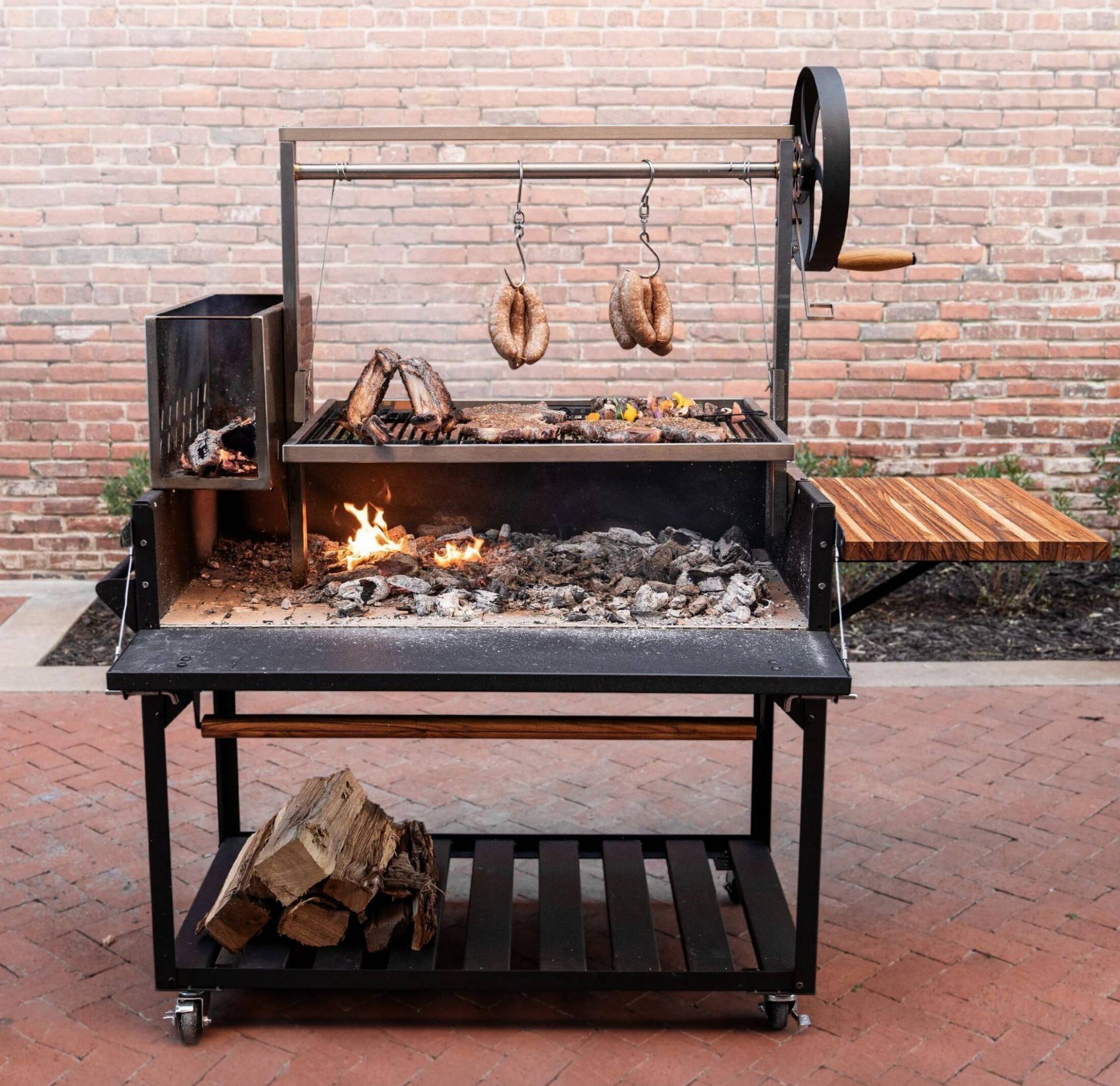
By Frank W. Roberts — Grilling since 1970 Disclosure: Everything Grill Reviews may earn a commission from qualifying purchases made through links on this page, at no extra cost to you. This review is based on verified manufacturer specifications, design analysis, and more than five decades of outdoor-cooking experience. I have not personally cooked on this exact grill, so I will not pretend this is a hands-on test. This Argentine Santa Maria grill review looks at the Backyard Discovery Heritage Argentine BBQ Grill, a large wood-and-charcoal cooker built around an adjustable cooking grate, a separate brasero for creating embers, firebrick insulation, and hanging hooks for slower live-fire cooking. It is not a push-button grill, and that is exactly the attraction for the right buyer.
Quick Answer: The Backyard Discovery Argentine Santa Maria Grill is a strong choice for serious live-fire cooks who want adjustable-grate heat control, real wood flavor, and a roomy 723-square-inch cooking surface. Skip it if you want quick weeknight convenience, easy portability, or minimal cleanup.
My Buying Verdict
Overall rating: 4.3 out of 5
- Best for: Experienced charcoal cooks, steak lovers, entertainers, and anyone who enjoys managing a real wood fire.
- Not ideal for: Apartment patios, cooks with limited mobility, buyers who want a light grill, or anyone expecting gas-grill convenience.
- Strongest feature: The grate adjusts from about 2 inches to 24 inches above the fire.
- Biggest drawback: At roughly 302 pounds, this is a permanent backyard cooking station rather than a grill you move around casually.
What Are the Pros and Cons of Backyard Discovery Heritage Grill?
Pros
- Wide 2-to-24-inch grate adjustment for searing and gentler finishing heat.
- Separate brasero makes it easier to create clean wood embers away from the food.
- Large 723-square-inch cooking surface suits family meals and backyard gatherings.
- Firebrick and insulated side walls help retain and distribute heat.
- Includes four hanging hooks, a coal shovel, and a weather-resistant cover.
Cons
- Roughly 302 pounds, so it needs a planned permanent location.
- Requires assembly and may be difficult for one person to handle safely.
- Open-fire cooking takes more attention and practice than gas or pellet grilling.
- The main structure is powder-coated steel rather than full stainless steel.
- No lid, thermostat, or set-and-forget temperature control.
What Kind of Grill Is the Backyard Discovery Argentine Santa Maria Grill?
This is an open-fire grill designed to burn hardwood, lump charcoal, briquettes, or a combination of fuels. Instead of controlling heat with gas valves or electronic settings, you control it in two ways:
- By creating and moving hot embers under the food.
- By raising or lowering the cooking grate with the hand-crank system.
That adjustable height is the heart of the grill. Lowering the grate creates intense direct heat for browning and searing. Raising it reduces the heat reaching the food, giving thicker cuts time to finish without scorching the outside. You can also place more embers under one side than the other to create separate cooking zones. The grill includes a brasero, which is the upright firebox used to burn wood down into glowing coals. You then move those coals beneath the main grate with the included shovel. That process takes more work than dumping charcoal into a kettle, but it provides unusually direct control over where the heat is located. Traditional Santa Maria barbecue developed around meat cooked over red-oak coals in California’s Santa Maria Valley. Modern personal Santa Maria grills replaced suspended rods with a cooking screen that can be raised or lowered. You can read more about that history from the Santa Maria Valley’s official barbecue history.
Backyard Discovery Heritage Argentine Grill Specifications
| Specification | Backyard Discovery Heritage Grill |
|---|---|
| Cooking surface | 723 square inches |
| Fuel | Wood or charcoal |
| Grate adjustment | Approximately 2 to 24 inches above the fire |
| Grate and brasero | 304 stainless steel |
| Main body | 12-gauge high-temperature powder-coated steel |
| Heat retention | Refractory firebricks and ceramic-insulated side walls |
| Hanging hooks | Four stainless steel S-hooks |
| Overall size | 59 inches wide × 29 inches deep × 64.25 inches high |
| Weight | Approximately 302 pounds |
| Included items | Coal shovel and weather-resistant cover |
| Warranty | Five years, according to the manufacturer |
Specifications can change. Confirm the current model, included accessories, warranty terms, delivery requirements, and dimensions with the seller before ordering.
Check Current Price and Availability
How Should This Argentine Santa Maria Grill Perform?
A live-fire grill is difficult to judge by a single temperature number because there is no thermostat and no closed lid holding a fixed chamber temperature. Performance depends on the fuel, wind, ember bed, food height, and the cook’s fire-management skills. Still, the layout tells us a great deal about what this grill should do well.
Steaks and Chops
This is where the design makes the most sense. Build a concentrated bed of coals, lower the grate for a hard sear, and then raise it to finish the center more gently. On a fixed-height charcoal grill, your main choices are moving the food or spreading the fuel. Here, you can also move the entire cooking surface away from the heat without disturbing the meat. That does not guarantee a perfect steak. You still need to watch flare-ups, turn the meat when needed, and verify doneness with an instant-read thermometer. What the grill gives you is a broad heat-adjustment range and the ability to react quickly.
Tri-Tip and Larger Roasts
Tri-tip is naturally associated with Santa Maria-style cooking, but the same method works for picanha, sirloin roasts, thick pork chops, and other substantial cuts. Sear near the coals, raise the grate, and keep a moderate ember bed beneath the food until it reaches the desired internal temperature. The open design does not hold heat like a kamado or covered smoker, so wind and cold weather matter more. On the other hand, you can continuously add fresh embers without lifting a lid or interrupting the cook.
Chicken, Ribs, and Sausages
The four S-hooks add another cooking method. Sausages and certain cuts can hang beside the fire rather than sit directly above the hottest coals. This exposes the food to radiant heat and smoke while reducing the chance of burning from direct contact with flare-ups. Hanging meat is not automatically low-and-slow barbecue. The food’s distance from the fire and the strength of the ember bed still determine how quickly it cooks. Use a thermometer rather than relying only on appearance.
Vegetables and Side Dishes
The broad grate gives you room to cook peppers, onions, corn, mushrooms, and cast-iron side dishes alongside the meat. The easiest approach is to keep one section of the coal bed lighter so delicate foods are not exposed to the same heat used for searing beef.
What I Like Most About the Backyard Discovery Heritage Grill?
1. The 2-to-24-Inch Grate Range Gives Real Control
Many adjustable charcoal grills move only a few inches. A range from approximately 2 inches to 24 inches gives you a meaningful difference between intense searing heat and a gentler finishing position. This is not automatic temperature control, but it is one of the most useful forms of manual control available on an open grill.
2. The Brasero Separates Fire-Making From Cooking
Burning wood in the brasero lets flames and heavy startup smoke settle before the coals are moved under the food. You can keep producing fresh embers during a long cook and add them exactly where they are needed. That is a cleaner, more manageable approach than continually placing fresh logs directly beneath dinner.
3. Firebrick and Insulated Walls Are More Than Decoration
Refractory firebricks absorb and radiate heat while shielding the main steel structure from the most intense part of the fire. Ceramic insulation in the side walls should also reduce heat loss compared with a thin, unlined open brazier. The grill will still react to wind because the top is open, but the lined fire area is a meaningful construction feature.
4. The 723-Square-Inch Surface Is Useful Without Being Absurd
This is enough room for a family meal, several steaks, a large tri-tip with vegetables, or food for a backyard gathering. The width also makes it practical to arrange multiple heat zones. You can keep a strong coal bed on one end, a moderate section in the center, and a holding area with fewer coals on the other side.
5. Important Parts Use 304 Stainless Steel
The manufacturer specifies 304 stainless steel for the grate frame and brasero. That is a good choice for components exposed to food, heat, ash, and moisture. The main body is powder-coated carbon steel rather than full stainless steel, which helps keep the price below many premium Argentine grills but also makes exterior care more important.
6. The Cover Is Included
A cover is not exciting until a 302-pound grill is sitting outside and cannot be rolled into a shed. Because the body contains powder-coated steel, protecting it from standing water and prolonged weather exposure is especially important. The included cover removes one immediate extra purchase.
What Should Buyers Know Before Ordering?
It Is Extremely Heavy
At approximately 302 pounds, this is not a portable charcoal grill. Decide where it will live before assembly and make sure the route from the delivery point is wide, level, and strong enough. Moving it across soft soil, steps, or a narrow gate could become a serious problem.
It Requires Assembly
The grill arrives ready to assemble rather than fully assembled. Backyard Discovery provides guided instructions through the BILT app, but the weight and size make this a two-person job for many buyers. Paying for assembly may be worthwhile when available, particularly for older owners or anyone with back, hand, or balance problems.
The Main Body Is Not All Stainless Steel
The grates and brasero use 304 stainless steel, but the principal structure is 12-gauge powder-coated steel. Powder coating can be durable, but chips and scratches should be addressed before rust gets underneath the finish. Keep ash dry, use the cover after the grill has cooled completely, and inspect the lower areas where moisture may collect.
There Is No Lid or Set-and-Forget Control
This grill is made for active fire management. You will not set 225°F, walk away for six hours, and expect electronics to hold the temperature. Wind can push heat and sparks, rain can interrupt the cook, and cold weather increases fuel use. That hands-on character is a pleasure for some cooks and a nuisance for others.
Open-Fire Cooking Takes Practice
The adjustable grate makes heat easier to control, but it does not replace judgment. Beginners must learn when wood has burned down enough, how much coal to move, when to raise the food, and how to avoid dirty smoke. Start with forgiving foods such as sausages, chicken thighs, burgers, and thick pork chops before risking an expensive roast.
It Needs a Safe Permanent Location
Use it only outdoors on a stable, noncombustible surface with generous clearance from walls, fences, roofs, dry vegetation, and anything else that can ignite. Open flames and wind-blown embers demand more space than a closed gas grill. Follow the manufacturer’s clearance and safety instructions rather than guessing.
What Is the Difference Between an Argentine Grill and a Santa Maria Grill?
The names are often blended in modern product listings because both styles use live fire and height-adjustable cooking surfaces. They overlap, but the traditions are not exactly the same.
| Feature | Argentine-Style Grill | Santa Maria-Style Grill |
|---|---|---|
| Heat control | Adjustable grate plus ember management | Adjustable grate over a live fire or coal bed |
| Brasero | Common and central to creating embers | May or may not be included on modern grills |
| Grate style | Often V-shaped to channel fat, though round grates are also used | Traditionally a raised and lowered screen or grate |
| Traditional fuel | Hardwood or charcoal embers | Red-oak coals are traditional in Santa Maria barbecue |
| Common foods | Beef, sausages, ribs, vegetables, and whole cuts | Tri-tip and other beef served with traditional Santa Maria sides |
The Backyard Discovery model combines both ideas: a gaucho-style brasero and hanging hooks paired with a Santa Maria-style height-adjustable grate. Calling it an Argentine Santa Maria grill is therefore reasonable, provided the article explains what the two names mean instead of treating them as a meaningless string of keywords.
Should You Burn Wood or Charcoal?
Use Hardwood for the Full Live-Fire Experience
Hardwood gives you the ritual and flavor buyers expect from this style of grill. Start a fire in the brasero, allow it to burn down into clean glowing embers, and move those embers under the grate. Red oak is traditional for Santa Maria barbecue, but availability varies. Other clean, seasoned cooking woods such as white oak or fruitwood can work, depending on the flavor you want. Never use treated lumber, painted wood, construction scraps, plywood, or wood of unknown origin. Those materials may release harmful chemicals and unpleasant smoke.
Use Lump Charcoal for Faster Startup
Lump charcoal is a practical middle ground. It lights faster than full splits of wood, produces relatively little ash, and still responds quickly when you add or move fuel. It is a good choice while learning the grill because it reduces the time spent waiting for a log fire to become an ember bed.
Use Briquettes for Predictable Heat
Briquettes tend to burn more evenly and can make repeatable cooking easier. They also create more ash, which matters in an open grill where airflow around the coals is important. For estimated fuel durations in several grill types, see my guide to how long charcoal lasts in a grill.
How Do Backyard Discovery and Tagwood Argentine Santa Maria Grills Compare?
Tagwood is a useful comparison because it sells purpose-built Argentine grills in both freestanding and built-in configurations. The models below are not identical competitors, but they show where the Backyard Discovery grill fits in the market.
| Model | Backyard Discovery Heritage | Tagwood BBQ03SS | Tagwood BBQ09SS |
|---|---|---|---|
| Format | Freestanding | Freestanding | Built-in insert |
| Cooking area | 723 sq. in. | 710 sq. in. total | 656 sq. in. primary area |
| Main construction | Powder-coated steel body with 304 stainless grate frame and brasero | Full 304 stainless steel | Full 304 stainless steel |
| Grate travel | About 2–24 in. | About 2.75–20 in. | About 1–10 in. |
| Weight | About 302 lb. | About 362 lb. | About 117 lb. before the surrounding installation |
| Best fit | Buyer wanting a complete live-fire station at a lower entry point than many all-stainless premium grills | Buyer prioritizing full stainless construction and multiple cooking zones | Custom outdoor kitchen |
The Backyard Discovery model’s advantage is value: it supplies the adjustable grate, brasero, firebrick lining, hanging hooks, cover, and large work area in one package. The tradeoff is its powder-coated steel body. The Tagwood BBQ03SS is heavier and fully stainless, with four cooking zones and a more elaborate Argentine setup. The BBQ09SS is an insert for a custom masonry or outdoor-kitchen installation and does not include firebricks as standard.
Who Should Buy the Backyard Discovery Argentine Santa Maria Grill?
Buy It If:
- You enjoy tending a fire rather than pushing buttons.
- You cook steaks, tri-tip, picanha, sausages, chicken, or large family meals.
- You want better direct-heat control than a fixed charcoal grate provides.
- You have a permanent, safe outdoor location for a 302-pound grill.
- You want a brasero, hanging hooks, firebricks, and a large adjustable grate in one package.
- You are willing to clean ash, protect the finish, and cover the grill.
Skip It If:
- You mainly cook quick weeknight hamburgers and hot dogs.
- You need a grill that rolls easily into storage after each use.
- You want precise digital temperature control or unattended overnight smoking.
- Your patio has limited clearance or combustible surfaces nearby.
- You do not want to handle firewood, charcoal, ash, sparks, and smoke.
- You need a grill that arrives fully assembled and is easy for one person to move.
Care, Cleanup, and Rust Prevention
- Let the fire go completely cold. Never cover or clean a grill containing live coals.
- Remove excess ash. Ash absorbs moisture and can accelerate corrosion when left in the fire area.
- Brush the grate while it is still slightly warm. Use a grill-safe tool and inspect for loose bristles if using a wire brush.
- Wipe grease from exposed surfaces. Pay attention to seams and lower ledges where water and grease collect.
- Inspect the powder coating. Repair damaged finish according to the manufacturer’s maintenance instructions.
- Keep the grill covered after it is cold and dry. A cover helps, but it should not trap moisture against a wet grill.
- Check the crank, cable, and grate supports. The elevation mechanism is essential; keep it clean and follow the manufacturer’s lubrication guidance.
Final Verdict: Is the Backyard Discovery Argentine Santa Maria Grill Worth It?
Yes—for the right kind of griller. The Backyard Discovery Heritage Argentine BBQ Grill offers the features that matter most in this cooking style: a separate brasero, a broad height-adjustment range, a roomy cooking surface, firebrick insulation, hanging hooks, and the ability to burn wood or charcoal. Its greatest strength is not convenience. It is control over a real fire. You can create embers separately, distribute them into heat zones, lower the grate for a hard sear, and raise it to finish thick meat more gently. That makes it far more flexible than a basic open charcoal brazier. The compromises are equally real. It weighs about 302 pounds, needs assembly, requires a safe permanent location, and uses a powder-coated steel body rather than full stainless construction. It also demands attention throughout the cook. A pellet grill, gas grill, or covered kettle will suit buyers who value speed and simplicity more than the live-fire process.
Everything Grill Reviews rating: 4.3 out of 5
A capable and unusually complete live-fire cooking station for backyard cooks who truly want to manage wood and charcoal—not a sensible purchase for someone looking for an effortless everyday grill.
For more choices, visit the Charcoal Grill Reviews hub or compare the top charcoal grills for backyard cooking.
Frequently Asked Questions
Is the Backyard Discovery Heritage Grill a true Santa Maria grill?
It uses the defining modern Santa Maria feature: a cooking grate that raises and lowers over a live fire. It also adds Argentine-style features such as a brasero and hanging hooks, so it is best described as a hybrid Argentine/Santa Maria live-fire grill.
Can you use both wood and charcoal in an Argentine Santa Maria grill?
Yes. The Backyard Discovery model is designed for wood or charcoal. Hardwood offers the fullest live-fire experience, lump charcoal speeds up startup, and briquettes provide more predictable heat.
What wood should you use for Santa Maria barbecue?
Red oak is traditional in Santa Maria barbecue. When red oak is unavailable, use clean, seasoned hardwood intended for cooking. Never burn treated, painted, glued, or chemically processed wood.
How much food fits on 723 square inches?
It is enough room for several steaks or chops, a large tri-tip with vegetables, multiple chickens in pieces, or food for a typical backyard gathering. Actual capacity depends on the food’s shape and the number of heat zones you create.
Does this grill have a lid?
No. It is an open-fire cooker. Heat is controlled through the ember bed and grate height rather than a closed chamber, vents, or thermostat.
Can it be used as a smoker?
It can expose food to wood smoke and cook larger cuts gently with the grate raised, but it is not a sealed offset smoker or insulated cabinet. It will not hold low temperatures as automatically or efficiently as a purpose-built smoker.
Is a Santa Maria grill difficult to use?
It has a learning curve, but the principles are straightforward: create clean embers, distribute them into zones, adjust the grate height, and verify food temperature. The cook must remain involved because there is no automatic controller.
Can one person assemble or move this grill?
Because the assembled unit weighs about 302 pounds, many buyers should plan on at least two capable adults or professional assembly. Choose its permanent location before putting it together.
Is the Backyard Discovery grill better than a Tagwood grill?
It depends on budget and priorities. The Backyard Discovery model gives buyers a complete freestanding setup with a large grate, firebricks, brasero, hooks, cover, and wide elevation range. Tagwood models generally emphasize full 304 stainless construction, more cooking zones, or custom built-in configurations, but they occupy a more premium part of the market.
What is the biggest reason not to buy it?
The biggest reason is convenience. It is heavy, open to the weather, manually controlled, and dependent on active fire management. Buyers who want fast startup and simple temperature control will probably use a gas or pellet grill more often.
Argentine Santa Maria Grill Review: Is This Wood-Fire Grill Style Worth Buying?
Best for: Backyard grill buyers
A solid option worth comparing before you buy.
Check Price on Amazon