
As an Amazon Associate, I earn from qualifying purchases
 So, what’s this Santa Maria thing all about?
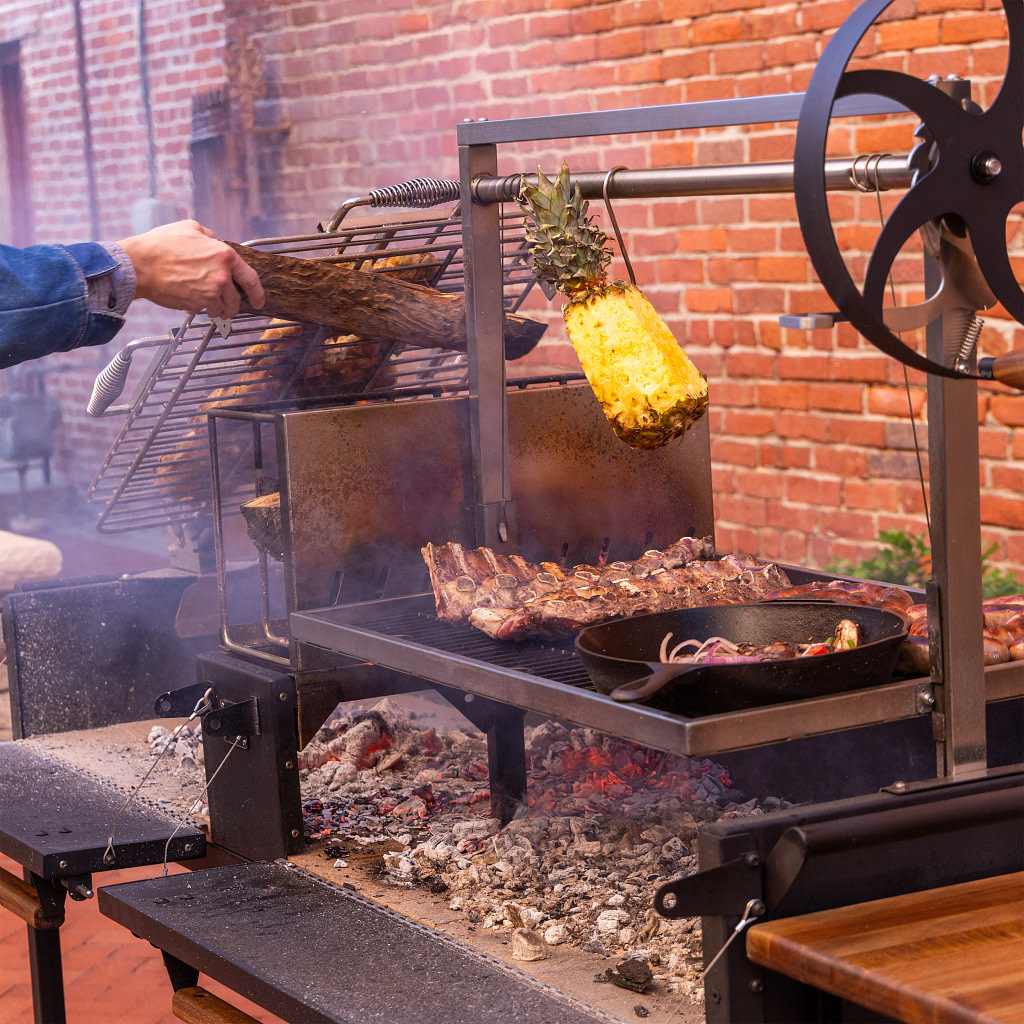
You’re probably looking at this grill, thinking, “Santa Maria? Is that, like, a fancy brand name or something?” Nope, you’re not wrong to wonder! It’s actually a style of barbecue, a whole tradition, and it’s got a pretty cool story behind it. This isn’t just any old grill; it’s a gateway to a specific, incredibly delicious way of cooking that’s steeped in history and flavor. You’re about to discover a method that’s been perfected over generations, and it’s all centered around that beautiful hand-crank mechanism. You might have seen grills with adjustable grates before, but the Santa Maria style takes it to a whole new level. The ability to precisely control the distance between your food and the heat source is what makes this so special. You’re not just grilling; you’re orchestrating a symphony of smoke and flame, giving you an unmatched level of control over your cook. This means you can get that perfect sear without burning, and slowly render fats for incredible tenderness. This isn’t just a grill; it’s an experience, a journey into the heart of California barbecue. You’re not just buying a piece of equipment; you’re investing in a tradition, a method that promises some of the most flavorful, perfectly cooked meat you’ll ever taste. And once you try it, you’ll understand why it’s become such a beloved staple.
A quick trip down memory lane
You’re tapping into a seriously rich history here, a culinary heritage that kicked off in California’s Santa Maria Valley way back in the mid-19th century. Imagine cowboys and ranchers, out on the range, cooking up their meals over open fires – that’s vitally where this whole thing began. It’s a testament to simple, good food, cooked with care and a lot of heart. This tradition isn’t just some casual backyard method; it’s so ingrained and respected that the local Chamber of Commerce actually copyrighted the Santa Maria-style BBQ method in 1978. That’s how serious they are about keeping it authentic, making sure the true spirit of the cooking method lives on. You’re part of preserving that legacy when you fire up one of these grills. While the tradition itself is old, a key player in today’s Santa Maria BBQ didn’t arrive on the scene until the 1950s. That’s when a local butcher named Bob Schutz introduced the famous tri-tip cut, which quickly became the signature meat for this style of cooking. So, you’re not just grilling, you’re participating in a culinary evolution, honoring the contributions of those who came before.
The traditional plate you can’t skip
You can’t just throw some meat on a Santa Maria grill and call it a day; there’s a whole supporting cast of characters that truly makes the meal. If you’re doing it right, you’ve got to serve your perfectly grilled meat with a specific set of sides. This isn’t just about what tastes good; it’s about honoring the complete, traditional Santa Maria experience. You absolutely need those pinquito beans; they’re non-negotiable, a sweet and savory staple that perfectly complements the smoky meat. Then, you’ll want fresh salsa, bursting with vibrant flavors, and a crisp green salad to cut through the richness. And don’t forget the grilled French bread, perfect for soaking up all those delicious juices. This isn’t just a suggestion; it’s the gold standard. You’ll find yourself craving this exact combination once you’ve had it. The balance of flavors and textures is truly something special. You’ll quickly find that this isn’t just about the grill itself; it’s about creating an entire feast. The beauty of the Santa Maria style is in its simplicity, allowing the quality of the ingredients and the precise cooking method to shine. You’re not just making dinner; you’re crafting a meal with history, flavor, and a whole lot of heart. The ability to precisely control the heat with the hand-crank mechanism is the single most important feature, preventing burning while ensuring even cooking. You’ll appreciate how the grill lets you achieve that perfect char without incinerating your food, something that’s difficult on standard grills. For safety, always make sure your grill is on a stable, non-combustible surface and keep a fire extinguisher nearby, especially when working with wood and charcoal. But the reward, that perfectly cooked tri-tip with its smoky crust and juicy interior, is absolutely worth the effort.
Honestly, how much cooking space and gear do you really need?
You might think you need a commercial kitchen to host a decent BBQ, but let’s be real. Do you really need enough grilling surface to feed a small army every weekend? This Santa Maria grill, and others in its league, offers some pretty generous real estate for your meats and veggies. You’ll find yourself wondering how you ever managed with those dinky little portable grills before. You’re looking at serious grilling power here, and it’s not just about raw size. It’s about smart design too. Think about those V-shaped grates – they’re not just for show. They’re actively working to make your grilling experience better, safer even. And all that stainless steel? It’s not just shiny; it’s a commitment to durability. So, before you start picturing yourself as some kind of BBQ pitmaster with endless acres of grilling surface, consider what you actually need. These grills offer a fantastic balance of size, features, and construction that will probably cover all your entertaining needs and then some. You’ll be surprised at how much you can do with a well-designed, spacious grill like this.
Breaking down the square inches
You’re probably eyeing those numbers, aren’t you? The Backyard Discovery model, for instance, boasts a very respectable 723 square inches of cooking space. That’s not a small amount; you could easily get a few racks of ribs and a whole chicken on there without feeling cramped. The Tagwood BBQ09SS-V takes it up a notch, giving you nearly 745 square inches. And as if that wasn’t enough, it throws in some handy S-shape hooks, which are perfect for hanging tools or even some slow-cooking sausages. You’ve got options for days with that kind of space. Even the slightly more compact Tagwood BBQ03SS still offers a solid 690 square inches. You won’t feel like you’re playing Tetris with your food on any of these. You’ve got plenty of room to spread out, manage different heat zones, and really get creative with your grilling.
Why stainless steel and firebricks matter
These grills aren’t just pretty faces; they’re built like tanks. You’ll notice the use of 304 stainless steel throughout, which isn’t some cheap, flimsy metal. This is the good stuff, designed to withstand intense heat and resist corrosion, meaning your grill will be a centerpiece for years, not just a season. The real unsung heroes, though, are the firebricks lining the bottom and side walls. These aren’t just for decoration. They play a critical role in heat retention and distribution, making sure your grill heats up evenly and stays hot. This even heat prevents hot spots that can burn your food and also protects the metal structure of the grill itself from warping or premature wear. And then there are those brilliant V-shaped grates. They’re not just a design quirk. They’re engineered to channel grease away from the flames, collecting it in a drip tray. This is a huge deal because it dramatically reduces those annoying and potentially dangerous flare-ups that can char your food and even cause burns. This design is a game-changer for safer, more consistent grilling. The 304 stainless steel and firebricks are a combination designed for longevity and superior performance. The firebricks act as an insulator, keeping the heat where it belongs – under your food – and protecting the grill’s metal components from the direct, intense heat of the wood fire or charcoal. This thoughtful construction ensures your grill not only performs exceptionally but also remains durable for countless cookouts.
Managing the heat without burning your dinner
You’ve got this beautiful Argentine grill, all shiny and ready, but the real magic (and potential for disaster) lies in mastering the heat. This isn’t your average gas grill where you just twist a knob. This is a dance with fire, a delicate balance between searing perfection and, well, charcoal briquettes that used to be dinner. You’re not just cooking; you’re conducting an orchestra of flames and smoke. This is where many people panic, thinking they’ll torch their expensive cuts of meat. You’re actually in complete control, more so than with any other grill you’ve probably used. The secret isn’t just knowing *when* to move the meat, but *how* to build and manage your heat source from the ground up. It’s about understanding the soul of an open flame and coaxing it into doing exactly what you want.
The magic of the brasero and red oak
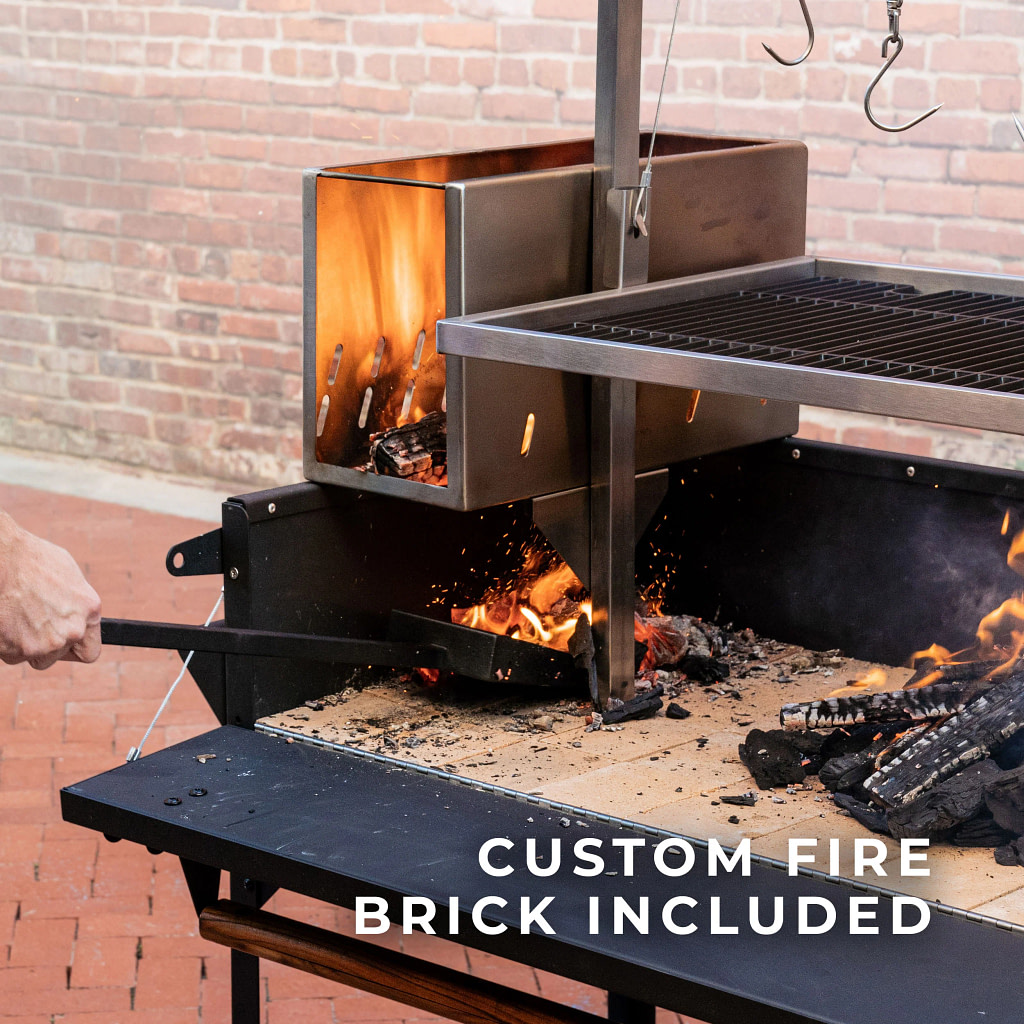
Forget what you think you know about starting a grill. You don’t just dump charcoal directly under your food. This grill introduces you to the brasero, your personal ember factory. You’re going to load your wood or charcoal in there, let it burn down to those beautiful, glowing embers, and *then* you’ll shovel them under your grate. It’s a method that experts like Marcos Luchetta swear by, because it gives you clean, consistent heat without the acrid smoke that can ruin your food. The choice of wood here is a big deal, and not just for show. You absolutely want to use red oak. Historian R.H. Tesene tells us this style of cooking started with locals stringing beef over red oak coals, so you’re carrying on a tradition. That red oak imparts a specific, smoky taste that is just quintcrucial Argentine BBQ. Think of it as the secret ingredient you didn’t even know you needed. You’re aiming for a two-zone fire setup. This means you’ll have a hotter section and a cooler section under your grates. This flexibility is absolutely crucial for proper heat management, allowing you to move your meat between zones as needed. You’re building a foundation of perfect embers, not just a random bonfire.
Why the adjustable grate is a total game-changer
This is the big secret, the feature that truly sets this grill apart and makes you a master of your domain: the adjustable grate. You might think it’s just a fancy lever, but it’s your primary tool for precise temperature control. You can literally dial in the heat intensity by simply moving your cooking surface closer or further from the embers. You’ll lower the grate right down to the glowing embers to sear your meat, creating that incredible crust and sealing in all those delicious juices. This is your “hot and fast” moment, a nod to the Santa Maria style of grilling. You’re locking in flavor and texture in those initial crucial minutes. Then, once that perfect sear is achieved, you crank the grate up, moving your meat further from the direct heat. This allows it to finish cooking with a more gentle, “low and slow” approach, characteristic of Argentine BBQ. It prevents burning and ensures your meat cooks evenly all the way through, resulting in tender, perfectly cooked results every single time. You’re crucially getting the best of both worlds – the intense searing power for that beautiful crust and the gentle finishing heat for succulent tenderness. This dynamic control over the cooking distance is what transforms a good grill master into a great one.
The real deal about seasoning and those BBQ myths
Simple rubs and the chimichurri truth
You’ve probably seen all those fancy rubs out there, right? Bottles promising exotic flavors and complex spice blends. But here’s the kicker: sometimes, less is truly more, especially with good quality meat. Steph Franklin from Simply Marvelous BBQ, a guy who really knows his stuff, says his most requested meat is tri-tip. And what’s his secret? Just a simple rub of salt, pepper, and garlic salt. It’s easy to get caught up thinking you need to drown your meat in marinades or complicated seasonings. You really don’t. The idea is to enhance the meat’s natural flavor, not overpower it. A good quality cut, cooked correctly, speaks for itself. And let’s clear up another common misconception while we’re at it: the chimichurri myth. People often assume Argentines smother every piece of meat in chimichurri, but that’s not how it works. It’s actually a side condiment, meant to complement, not dominate, allowing the true flavor of the meat to shine through. You add it *after*, not before or during.
Flames vs. embers and other common mistakes
You might think fire means flavor, but cooking directly over roaring flames is a common pitfall. Never cook directly over flames – that’s a recipe for burnt outsides and raw insides, not to mention a lot of unpleasant charring. What you’re actually aiming for are hot embers. That’s where the magic happens, giving you that even, smoky heat without over-carbonizing your food. Many people also get “grilling” and “barbecue” mixed up. Grilling typically means direct heat, a quick cook over high temperatures. Barbecue, on the other hand, usually refers to indirect, slower cooking. This Argentine wood-fired style, with its adjustable grates and brasero, sits beautifully right in the middle, giving you the best of both worlds. You get the high heat when you need it, and the controlled, consistent warmth from those glowing embers. Consider that tri-tip Steph Franklin loves. You could start by searing it fat-side down for about 10 minutes over those initial hot embers. Then, you simply raise the grate, moving it further from the heat, and let it slowly cook to a perfect medium-rare. This method ensures a beautiful crust and a tender, juicy interior every time.
Wrapping it up-is it actually worth the hype?
How to get that perfect black patina
You know, getting that perfect black patina on your grill grates isn’t just about making it look good; it’s about protecting your investment and ensuring those steaks slide right off. You’ll need to grab some high-heat oils, like grapeseed or avocado, because regular olive oil just won’t cut it when things get seriously hot. Drench those grates – don’t be shy – and prepare for a little ritual. The real magic happens during the initial burn, a process that frankly demands some patience. You’re looking at a long 4-6 hour initial burn, which sounds like a lot, but trust me, it’s worth every minute. This extended heat treatment really bakes that oil into the metal, creating that beautiful, non-stick, rust-resistant surface you’re after. Think of it as the grill’s initiation ceremony. Once you’ve completed this, you’re not just cooking on a grill; you’re cooking on a seasoned piece of art. Just remember, this isn’t a one-and-done deal; you’ll want to keep those grates oiled and clean after every use to maintain that gorgeous, functional patina.
My final verdict on the hybrid design
When you consider the hybrid design, it really feels like these grills, especially from brands like Gaucho Life, are trying to bridge two distinct worlds. You’re getting this fantastic blend of California tradition with Argentinian performance, which on paper sounds like a match made in barbecue heaven. It’s not just a marketing gimmick either; the design genuinely aims to give you the best of both worlds. The thoughtful engineering truly shines with features like removable sections for easy cleaning. This isn’t just a minor convenience; it’s a game-changer when you’re dealing with sticky, greasy grates after a serious cookout. You’re not fighting with cumbersome, heavy components; you can actually get in there and properly clean everything, which is a huge win for anyone who values hygiene and longevity. Ultimately, this grill focuses on durability, and you can feel it in the build quality. It’s not some flimsy piece of equipment that’s going to fall apart after a season or two. This is a solid investment for anyone serious about fire, someone who wants a grill that will last and consistently deliver that authentic, smoky flavor. This hybrid approach really means you get the classic open-fire feel that’s so characteristic of traditional Argentinian grilling, combined with the convenience and robust build quality that modern grillers expect, making you the neighborhood asador everyone envies.
Q: What makes a Santa Maria-style grill special, and how does it blend with Argentine features?
A: Ever wonder what gives Santa Maria BBQ its unique flavor, and how Argentine elements fit in? Santa Maria-style grills, originating in California, are all about cooking over a wood fire, traditionally red oak. The real standout feature is the adjustable grill grate. You can raise or lower it over the fire to control the cooking temperature precisely – pretty clever, right?
Now, when we talk about blending with Argentine features, things get really interesting. Many modern grills, like the ones you’re looking at, incorporate elements like V-shaped grates and a brasero. Those V-shaped grates are brilliant; they channel grease away from the fire, stopping those annoying flare-ups and collecting those delicious drippings. A brasero is basically a separate firebox where you burn down wood or charcoal into embers, then shovel those perfect, glowing coals under your cooking grates. This setup gives you amazing, continuous heat management, which is something both styles really value.
Q: How does the adjustable grill grate actually help me cook better, and what about flare-ups?
A: You might be asking, “Okay, so I can move the grate up and down, but what’s the real benefit?” Well, that adjustable grate is your secret weapon for perfect cooking. When you want to sear something quickly, like getting a fantastic crust on a tri-tip, you lower the grate right down close to the hot coals. That intense heat seals in the juices beautifully. Once you’ve got that sear, you just raise the grate up a bit, moving the meat further from the direct heat. This lets you slow-cook it to your desired doneness, like a perfect medium-rare, without burning the outside.
And those V-shaped grates? They’re a game-changer for flare-ups. Traditional grates let fat drip right onto the coals, causing flames to shoot up and char your food. The V-shaped design, often found in these Argentine-hybrid grills, catches that grease and directs it into a channel. This not only prevents those sudden bursts of flame but also collects those flavorful drippings, which you can sometimes use for basting or making a sauce. It’s a much cleaner, more controlled cooking experience.
Q: What kind of fuel should I use, and how do I manage the fire for the best results?
A: Getting the fire right is absolutely key to these grills. For Santa Maria style, the traditional choice is red oak, burned down to clean, glowing embers. You can also use hardwood lump charcoal. The goal isn’t huge, roaring flames directly under your food. Instead, you want consistent, radiant heat from the embers. A two-zone fire is a smart move – keep hotter coals on one side for searing and a cooler zone on the other for slower cooking.
The brasero, if your grill has one, is incredibly useful for fire management. You build your main fire in there, letting the wood or charcoal burn down to those perfect embers. Then, you just shovel them under your main cooking grates as needed. This means you’re always cooking over steady, controlled heat, and you can easily add more coals to maintain the temperature without disturbing your food. It’s a very hands-on, rewarding way to grill, and it gives you incredible control over the heat intensity.
Q: Is it true that Santa Maria BBQ is “hot and fast” while Argentine is “low and slow”? How do these grills handle that?
A: You’ve hit on a common point of confusion! Some people do characterize Santa Maria BBQ as “hot and fast” because it often involves quick-cooking cuts like tri-tip over direct heat. Argentine grilling, on the other hand, is definitely known for its “low and slow” approach, cooking over embers rather than direct flames to get that tender, smoky result.
The beauty of these hybrid Santa Maria/Argentine grills is that they let you do both! The adjustable grate means you can drop it down for a quick, intense sear (that “hot and fast” Santa Maria moment). Then, you can raise it up high, using the radiant heat from the embers, to slow-cook larger cuts or finish off your tri-tip gently (leaning into that “low and slow” Argentine style). These grills actually give you the versatility to explore both techniques and get the best of both worlds, which is pretty awesome if you ask me.
Q: What’s the deal with seasoning the grill grates, and how do I keep them clean?
A: Seasoning your grill grates is super important, especially when you first get it, and for ongoing maintenance. Think of it like seasoning a cast-iron pan; it creates a non-stick surface and helps protect the metal. For initial seasoning, you want to coat the entire grate surface with a high-heat oil. Grapeseed, avocado, or flaxseed oil are great choices because they have high smoke points. Then, you’ll want to do a long burn – ideally 4-6 hours – to really bake that oil onto the grates and create a nice black patina.
After each use, once the grates have cooled down a bit, give them a good scrape with a grill brush. If you have removable sections, that makes cleaning even easier. A clean grate prevents old food bits from sticking to your new food and helps maintain that seasoned layer. Just a quick re-oiling before your next cook can help keep that non-stick surface in top shape. It’s a small step that makes a big difference in the long run.
Q: What kind of meat and side dishes are traditional for these styles of grilling?
A: When you’re grilling Santa Maria style, the star of the show is almost always tri-tip. This triangular cut from the bottom sirloin became the signature meat back in the 1950s, largely thanks to a local butcher. The traditional seasoning is simple: salt, black pepper, and garlic salt. As for sides, you’ll often find pinquito beans – a small pink bean indigenous to the Santa Maria Valley – along with fresh salsa, a tossed green salad, and grilled French bread. It’s a whole meal, you know?
Argentine grilling, or “asado,” is more about a variety of cuts, often seasoned simply with just salt to let the meat’s natural flavors really shine. While chimichurri is super popular, it’s typically
Argentinian Grill: Customer Reviews, Charcoal & Backyard Discovery
What makes the Argentine Santa Maria wood fire & charcoal bbq grill different from other charcoal grills?
The Argentine Santa Maria wood fire & charcoal grill combines an authentic gaucho grilling tradition with a versatile wood fire and charcoal grill design. Its open-fire design with 723 square inch grilling surface and heavy-duty stainless steel grill parts allow for both live fire and charcoal cooking. The adjustable grill grates adjust from 2 positions to provide precise heat control typical of a santa maria bbq grill, while refractory fire bricks and ceramic fire elements help retain heat and protect powder-coated steel construction for long-lasting use.
How do refractory fire bricks and ceramic fire components improve cooking performance?
Custom fire bricks and ceramic fire inserts, often described as refractory fire bricks and ceramic, stabilize temperature and radiate even heat for consistent searing and slow roasting. In a premium Santa Maria or Argentine Santa Maria grill, these fire bricks and ceramic fire pieces help convert direct flame into steady radiant heat, which is ideal for both wood fire or charcoal cooking and mastering the art of backyard grilling.
Can I use both firewood and charcoal in the Santa Maria BBQ grill?
Yes. The santa maria bbq grill is engineered for dual-fuel flexibility—use firewood to achieve smoky, live fire flavors or charcoal for consistent, high-heat grilling. Many users alternate between wood fire and charcoal grill setups to explore authentic gaucho grilling techniques and enjoy a broader range of flavors when they grill and enjoy delicious meals.
Is the Argentine Santa Maria grill durable enough for frequent use?
Durability is a strong point: many models feature durable 12-gauge powder-coated steel and heavy-duty stainless steel grill components. The inclusion of fire bricks, powder-coated steel construction, and heavy-duty frames ensures longevity even with repeated exposure to high heat from firewood or charcoal. Look for models that specify heavy-duty stainless steel grill grates and powder-coated steel with a beautiful acacia wood side table and handles for added longevity and style.
What accessories should I get to enhance open-fire cooking with the Argentine Santa Maria?
Essential grill accessories include a griddle plate for flat-top cooking, a sturdy set of long-handled tools for live fire management, extra refractory fire bricks for replacement, grill covers, and a meat clamp or rotisserie if supported. Beautiful acacia wood side table and handles add convenience and aesthetics, while hassle-free cleanup items and silicone basting brushes help you master the art of backyard grilling.
How easy is it to adjust grill height and control temperature on a Maria bbq grill with wood?
The santa maria precision system typically uses an adjustable swing-arm or crank to raise and lower the cooking grate, allowing you to control heat intensity by positioning the grill grates closer or farther from the flame. With grill grates adjust from 2 to multiple positions depending on model, this Argentine open-fire design with 723 square inch or similar configurations gives precise control for searing, slow roasting, and indirect cooking.
What do customer reviews say about the Backyard Discovery Argentine Santa Maria grill?
Customer reviews often praise the authentic gaucho grilling experience, the 723 square inch grilling surface, and the heavy-duty build, while noting the benefits of fire bricks and ceramic fire inserts for heat retention. Many reviews highlight the beautiful acacia wood side table and handles, and the solid feel of durable 12-gauge powder-coated steel, though some users mention a learning curve for managing wood fire versus charcoal and recommend initial practice sessions to master fire cooking.
Is assembly and maintenance complicated for a premium Santa Maria or Argentine Santa Maria grill?
Assembly can be moderate, often requiring time to install heavy-duty components like refractory fire bricks, stainless steel grates, and acacia wood accents. Regular maintenance includes cleaning grill grates, replacing worn fire bricks or ceramic fire parts, and protecting powder-coated steel with a cover when not in use. Following manufacturer guidance for a bbq grill from backyard discovery or similar brands helps prolong service life and maintain performance.
Can I achieve authentic Argentine open-fire flavors with this grill and what cooking techniques work best?
Absolutely—authentic open-fire flavors come from using quality firewood or charcoal and mastering techniques like indirect roasting, searing over direct flame, and low-and-slow cooking with the grill grates adjusted to desired heights. The Argentine open-fire design with 723 square inches of surface and options for wood fire and charcoal grill setups supports classic cuts and methods used in the rich tradition of open-fire cooking and authentic gaucho grilling.
Common Mistakes People Make About the Argentine Santa Maria Wood Fire & Charcoal BBQ Grill
- Assuming it’s identical to a regular kettle or gas grill — the Santa Maria-style grill relies on adjustable-height grates and open-flame techniques that require different handling.
- Using only charcoal and ignoring wood — many users miss that mixing hardwood logs/chunks with charcoal maximizes flavor and authentic Argentine smoke characteristics.
- Overloading the firebox — packing too much fuel reduces airflow, causes uneven heat, and makes height adjustments less effective.
- Not mastering the grate height adjustment — the main heat control is the crank/rack; treating it like a fixed grill leads to poor temperature control and overcooking.
- Expecting instant steady temperatures — open-flame setups need time to stabilize; frequent adjustments early on cause temperature swings.
- Neglecting airflow management — blocked vents or ash buildup restricts oxygen, killing the fire or creating excessive smoke.
- Relying solely on a single temperature probe — the grill has hot and cool zones; multiple thermometers or zone testing is necessary for consistent results.
- Cooking delicate foods too close to the flame — high radiant heat can char thin cuts; use higher grate positions or indirect zones for fish and vegetables.
- Using inappropriate fuels — softwoods, treated lumber, or charcoal with additives impart bad flavors and harmful compounds; use lump charcoal and seasoned hardwoods.
- Skipping a proper break-in and seasoning — new metal parts and coatings need gradual heat cycling and oiling to prevent sticking and premature corrosion.
- Ignoring regular ash removal — excessive ash insulates coals and blocks airflow, reducing efficiency and heat control.
- Underestimating maintenance of moving parts — the crank, hinges, and grate mechanisms need cleaning, lubrication, and occasional tightening to remain smooth.
- Failing to build layered heat zones — not creating a direct-heat and indirect-heat area limits cooking versatility for larger or mixed-ingredient meals.
- Over-relying on marinades for flavor — the grill’s wood + charcoal smoke adds signature taste; technique and fuel choice matter more than excessive marinades.
- Not practicing safety with open flames — nearby combustibles, wind direction, and unstable placement increase risk; always follow safe fire practices and keep a fire extinguisher nearby.
Key benefits of Argentine Santa Maria wood fire & charcoal BBQ grill
- Authentic wood-and-charcoal flavor: Combines hardwood smoke with high-heat charcoal searing for rich, smoky, traditional Argentine flavors.
- Precise heat control: Adjustable grate height (cradle/lever system) lets you raise or lower food for direct searing or gentler, indirect cooking.
- High-temperature searing: Open-fire design and proximity to coals enable intense searing and great crust development on steaks and meats.
- Versatile cooking styles: Supports direct grilling, indirect heat, smoking, and slow-roasting all on one unit.
- Large cooking surface: Typically offers ample grate area to cook multiple cuts at once—great for gatherings and family meals.
- Durable construction: Heavy-gauge steel, cast-iron grates, and sturdy hardware designed to withstand high temperatures and frequent use.
- Efficient fuel use: Wood and charcoal combination can deliver long, consistent heat with relatively low fuel consumption when managed properly.
- Enhanced smoke control: Ability to mix wood types and control air flow gives fine-tuned smoke intensity and flavor profiles.
- Simple maintenance: Open design and removable ash collection make cleaning and prepping the firebox straightforward.
- Traditional grilling experience: Provides a hands-on, tactile cooking method favored by enthusiasts who value technique and flavor over convenience.
bbq grill with wood fire: experience the rich tradition and ultimate cooking experience
What makes the Argentine Santa Maria wood fire & charcoal BBQ grill different from a standard charcoal grill?
The Argentine Santa Maria wood fire & charcoal BBQ grill combines charcoal convenience with authentic wood fire cooking to infuse your food with rich, smoky flavor. Constructed from durable 12-gauge powder-coated and powder-coated pieces, it’s built to last and offers a versatile cooking surface with a swivel spit and adjustable grates. Its ready-to-assemble design and guided instructions in the interactive app or manual make setup with its ready-to-assemble design straightforward, giving you the ultimate cooking experience and meats with distinct smoky flavor.
How easy is the setup for the Argentine Santa Maria grill?
The grill features a ready to assemble, ready-to-assemble design with pre-drilled and pre-fabricate elements and powder-coated pieces that align quickly. Combined with guided instructions in the interactive app or printed guide, the easy setup with its ready-to-assemble construction minimizes tools and time so you can start cooking and enjoy delicious meals that bring friends and family together sooner.
Can I use both wood and charcoal at the same time, and what flavor differences should I expect?
Yes — this bbq grill with wood fire is designed to use wood, charcoal, or a combination. Wood adds a brighter, woodsy smoke while charcoal adds steady heat and a deeper smoke; together they infuse your food with rich, layered aromas that produce meats with distinct smoky flavor and enhance flavor profiles while maximizing overall taste.
What accessories come with the grill and how do versatile s-hooks and swivel features improve cooking?
Many models include versatile s-hooks to enhance flavor profiles by allowing you to hang meats and vegetables directly over smoke, plus a swivel mechanism to adjust the cooking angle or move food away from direct heat. The s-hooks make it easy to easily hang sausages or larger cuts and create interactive cooking setups that let you tailor smoking times and textures for optimal results.
Is the Argentine Santa Maria grill durable enough for frequent use outdoors?
Yes. Built to last from constructed from durable 12-gauge powder-coated steel and reinforced powder-coated pieces, this grill includes handles for lasting durability and a stable table design for support. These features protect the grill from rust and wear so you can bring friends and family together and enjoy delicious meals for years.
How do I maintain and clean the grill to preserve flavor and longevity?
Regularly remove ash and charred residue after use, wipe down powder-coated pieces, and clean grates with a grill brush. The pre-drilled and pre-fabricate components simplify disassembly for deeper cleaning. Periodically oil moving parts like the swivel and inspect handles for lasting durability to keep your BBQ grill with wood fire performing well and continuing to infuse your food with rich smoke.
Can beginners get good results with this grill, and is there guided help available?
Absolutely. The grill’s ready-to-assemble and ready to assemble design paired with guided instructions in the interactive app or included manual helps novices learn how to manage wood and charcoal heat, use versatile s-hooks to enhance flavor profiles, and achieve the ultimate cooking experience. Follow the guided instructions to experience the rich tradition of Argentine-style grilling and enjoy delicious meals that bring friends and family together.
What types of foods work best on the Argentine Santa Maria, and how do I use s-hooks for different cuts?
This grill excels with large cuts of beef, pork shoulders, whole fish, chicken, and sausages. Use versatile s-hooks to easily hang sausages or suspend smaller cuts for low-and-slow smoking, or place grates for direct searing. Hanging meats allows smoke to circulate for meats with distinct smoky flavor while maximizing surface exposure for even cooking.

served as a condiment on the side, not a marinade. This allows the meat itself to be the hero. So, whether you’re going for a classic tri-tip or exploring other cuts, these grills are designed to let the quality of the ingredients speak for themselves.
Q: Are these grills just for experts, or can a regular backyard griller master them?
A: You might look at these grills with their braseros and adjustable grates and think, “Wow, that looks complicated!” But honestly, while they offer a lot of depth for experienced grillers, they’re absolutely accessible for anyone who enjoys cooking outdoors. The principles are pretty straightforward: build a fire, manage your heat, and cook your food. The adjustable grate is actually incredibly intuitive – you just move it up or down to get the heat you need.
The brasero, while it might seem like an extra step, actually simplifies continuous fire management. You’re not constantly trying to add charcoal directly under your food. You just shovel embers from the brasero. It gives you a lot of control and takes some of the guesswork out of maintaining consistent temperatures. You’ll definitely enjoy the process, and you’ll quickly get the hang of it. Plus, the results are so much more flavorful than what you get from a standard gas grill, so it’s really worth it to dive in!
In conclusion, the Argentine Santa Maria Grill: Wood Fire & Charcoal BBQ Grill Review showcases a unique grilling experience.
Experience the essence of grilling through our Argentine Santa Maria Grill: Wood Fire & Charcoal BBQ Grill Review.
Following the Argentine Santa Maria Grill: Wood Fire & Charcoal BBQ Grill Review, you’ll be ready to grill like a pro.
Our Argentine Santa Maria Grill: Wood Fire & Charcoal BBQ Grill Review examines its features closely.
Don’t miss out on our Argentine Santa Maria Grill: Wood Fire & Charcoal BBQ Grill Review if you love smoky flavors.
This Argentine Santa Maria Grill: Wood Fire & Charcoal BBQ Grill Review is essential reading for grill enthusiasts.
Moreover, the Argentine Santa Maria Grill: Wood Fire & Charcoal BBQ Grill Review emphasizes the importance of fire management.
The Argentine Santa Maria Grill: Wood Fire & Charcoal BBQ Grill Review highlights the advantages of using wood fire.
In this Argentine Santa Maria Grill: Wood Fire & Charcoal BBQ Grill Review, we will delve into the intricacies of this grilling method.
Exploring the Argentine Santa Maria Grill: Wood Fire & Charcoal BBQ Grill Review