
Updated: July 28, 2026
Buying a charcoal grill should feel like a smart purchase, not a guessing game. Choose a model that matches how you cook, how much space you have, and how much maintenance you want—those three factors determine the best grill for your needs.

You’ll get clear comparisons of kettle, kamado, and barrel styles, plus the features and accessories that matter most for performance and longevity. Expect practical advice on airflow, materials, fuel types, cooking techniques, and how charcoal stacks up against gas and electric so you can pick with confidence.
Later sections break down budgets, trusted brands, and common questions to help you finalize your choice quickly and confidently.
Understanding Different Charcoal Grill Types
You’ll decide between simple, versatile designs and specialized ceramic or portable units based on space, heat control, and how you plan to cook. Key factors are temperature range, fuel efficiency, size options, and how much hands-on management you want.
Kettle Grills
Kettle grills use a round bowl and domed lid to combine direct searing and indirect roasting. You get good airflow control via adjustable vents, which lets you manage temperatures from high-heat sears to low-and-slow roasts. Typical sizes run from small (18-inch) to large (22–26-inch) cooking grates, so pick one that fits the amount you usually grill.
Kettle models are relatively inexpensive and widely available replacement parts make maintenance simpler. They heat quickly and use less charcoal than many barrel or offset setups, but expect more frequent reloads for long smoking sessions. If you want a classic charcoal experience for burgers, steaks, or whole chickens, a kettle grill delivers reliable results.
Barrel Grills
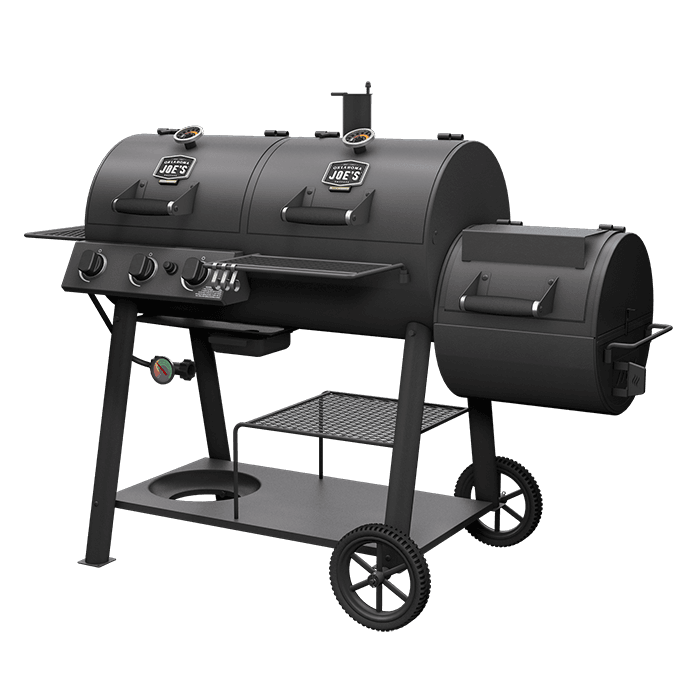
Barrel grills (also called offset or side-firebox combos when paired with smokers) offer long, rectangular cooking surfaces and often include a separate firebox for indirect smoking. You get more cooking area—useful for larger gatherings or for cooking multiple items at different temperatures simultaneously. Sizes vary from medium backyard barrels to large commercial-style units.
Heat distribution can be uneven unless the grill has good baffles or a heat deflector; quality models address this with adjustable grates and dampers. Barrel grills shine when you want both grilling and low-temperature smoking without shifting charcoal constantly. Expect heavier construction and a larger footprint compared with kettles or portable gInformation About Buying a Charcoal Grill — Essential Tips for Smart Buyers
Buying a charcoal grill should feel like a smart purchase, not a guessing game. Choose a model that matches how you cook, how much space you have, and how much maintenance you want—those three factors determine the best grill for your needs.
You’ll get clear comparisons of kettle, kamado, and barrel styles, plus the features and accessories that matter most for performance and longevity. Expect practical advice on airflow, materials, fuel types, cooking techniques, and how charcoal stacks up against gas and electric so you can pick with confidence.
Later sections break down budgets, trusted brands, and common questions to help you finalize your choice quickly and confidently.
Understanding Different Charcoal Grill Types
You’ll decide between simple, versatile designs and specialized ceramic or portable units based on space, heat control, and how you plan to cook. Key factors are temperature range, fuel efficiency, size options, and how much hands-on management you want.
Kettle Grills
Kettle grills use a round bowl and domed lid to combine direct searing and indirect roasting. You get good airflow control via adjustable vents, which lets you manage temperatures from high-heat sears to low-and-slow roasts. Typical sizes run from small (18-inch) to large (22–26-inch) cooking grates, so pick one that fits the amount you usually grill.
Kettle models are relatively inexpensive and widely available replacement parts make maintenance simpler. They heat quickly and use less charcoal than many barrel or offset setups, but expect more frequent reloads for long smoking sessions. If you want a classic charcoal experience for burgers, steaks, or whole chickens, a kettle grill delivers reliable results.
Barrel Grills
Barrel grills (also called offset or side-firebox combos when paired with smokers) offer long, rectangular cooking surfaces and often include a separate firebox for indirect smoking. You get more cooking area—useful for larger gatherings or for cooking multiple items at different temperatures simultaneously. Sizes vary from medium backyard barrels to large commercial-style units.
Heat distribution can be uneven unless the grill has good baffles or a heat deflector; quality models address this with adjustable grates and dampers. Barrel grills shine when you want both grilling and low-temperature smoking without shifting charcoal constantly. Expect heavier construction and a larger footprint compared with kettles or portable grills.
Kamado Grills
Kamado grills are thick-walled ceramic or composite units built to retain heat and moisture exceptionally well. They offer fine temperature control from high searing temps to true low-and-slow smoking. The most famous example is the Big Green Egg, but many brands make ceramic kamado grills and kamado smokers in small, medium, and large sizes.
Ceramic insulation means less charcoal consumption and long, steady cooking sessions—ideal for long smokes or baking pizzas. They’re heavier and more expensive than typical metal grills, and accessories (heat deflectors, ash tools) often make a big difference. If you want precision, fuel efficiency, and versatility for smoking, roasting, and searing, a kamado is worth the investment.
Portable Charcoal Grills
Portable charcoal grills range from tiny tabletop units to compact folding designs built for tailgates, camping, or small patios. You should prioritize weight, packability, and how quickly they assemble. Small charcoal grills often use less charcoal and heat up fast, but they limit cooking area and temperature stability.
Look for durable grates, reliable venting, and easy ash cleanup; some portable models include built-in ash pans or detachable lids. If you need a travel-ready option, choose one with a secure lid latch and sturdy legs. Portable grills won’t replace a full-size kettle or kamado for large gatherings, but they give you authentic charcoal flavor in a compact package.
Factors to Consider Before Buying a Charcoal Grill
Choose a charcoal grill that matches how many people you cook for, the space you have, and how much maintenance you’ll accept. Focus on cooking area, airflow and heat control, and the materials that determine longevity and rust resistance.
Grill Size and Cooking Area
Measure how many burgers, steaks, or racks of ribs you usually cook at once. A 250–350 sq. in. primary cooking surface suits 2–4 people; 400–600 sq. in. works for 6–10. Remember that available cooking area often excludes warming racks and secondary shelves.
Think about storage and placement. If you have a small balcony, compact kettle or portable barrel models save space. For a patio or backyard where you host regularly, a larger cabinet-style or offset smoker-style charcoal grill fits better.
Check grate dimensions and grate material. Cast-iron grates hold heat well and produce clear sear marks, while stainless or porcelain-coated steel grates resist rust and clean more easily. Match grate size to the charcoal area: too-large grates with insufficient fuel zones create uneven heat.
Grill Configuration
Decide whether you need direct grilling only, or both direct and indirect cooking. Kettle grills or kamado-style grills provide versatility with simple charcoal layouts for multiple zones. If you often smoke or roast, choose a grill that supports an indirect setup or has a built-in charcoal divider.
Evaluate airflow control features. Adjustable dampers/top vents and a bottom intake allow you to dial temperature precisely. A two-zone setup (coals piled one side) lets you sear over high heat then move food to the cooler side for indirect cooking.
Consider accessories and layout. Models with hinged grates, removable ash pans, and dedicated charcoal baskets simplify refueling and cleaning. If you want long low-and-slow cooks, look for a grill configuration that accepts larger charcoal loads or wood chunk additions without frequent tending.
Build Quality and Materials
Inspect the body and lid materials for thickness and coating. Heavy-gauge steel resists warping under high heat; 18–14 gauge is common—thicker steel improves heat retention and durability. Thin sheet metal grills heat up fast but may deform and rust sooner.
Look for protective finishes. Porcelain-coated steel or cast-iron parts minimize rust and are easier to scrub. Stainless steel components around vents, grates, and handles reduce corrosion in humid environments. Avoid cheap paint that flakes after a season.
Check welds, seams, and hardware. Solid welds, stainless fasteners, and well-sealed vents indicate longer service life. Removable ash pans and secure hinges improve daily use. If possible, inspect the charcoal chamber for a refractory or insulated lining that reduces heat loss and prolongs the grill’s structural life.
Essential Features and Accessories
Choose features that give you precise heat control, simpler cleanup, and the right cooking surfaces for direct or indirect techniques. Prioritize adjustable vents, durable grates, and an easy ash-removal system that match how you plan to cook.
Temperature and Airflow Control
You need precise heat control for searing, slow smoking, and indirect cooking. Look for adjustable vents or dampers that let you increase or decrease oxygen flow; small changes in vent position change temperature quickly. A well-built charcoal chamber with an access door or adjustable charcoal tray speeds fuel adjustments without lifting the lid.
A built-in thermometer on the lid helps but use a separate meat thermometer for target doneness. Consider grills with a thermometer plus room to add a digital temperature controller if you plan long smokes. Draft control combined with a charcoal basket or tray gives you predictable heat zones for direct high-heat and indirect low-and-slow cooking.
Grates and Cooking Surfaces
Grate material affects heat retention, maintenance, and sear marks. Choose heavy-gauge cast iron or thick stainless steel for high-heat searing; porcelain-coated grates resist rust and are easier to clean but chip if abused. Adjustable grates or hinged cooking grates allow you to add charcoal without removing the entire cooking surface.
Look for a secondary warming rack for low-temp holding and for indirect cooking setups. If you want flexible fuel setups, a charcoal basket or removable charcoal tray helps create a two-zone fire. Ensure grate dimensions and spacing match your typical cuts so you can position coals for even cooking.
Ash Removal and Cleanup
A removable ash catcher or ash tray saves time and keeps the grill safe and tidy. Prefer designs where the ash catcher slides out or detaches without opening the charcoal chamber; fewer steps mean less ash scatter. Some models include an ash disposal system integrated with the cart that funnels ash to a single removable container.
Also check for a charcoal chamber door or bottom access that lets you sweep ash into the catcher. Materials and coatings matter: stainless or porcelain-coated interiors resist corrosion and make brushing easier. Keep a good grill brush and metal scraper on hand for grates and a covered bin for ash disposal to avoid mess.
Additional Accessories and Upgrades
Focus on accessories that expand capability and convenience. A chimney starter gets coals lit evenly without lighter fluid. A reliable meat thermometer or probe system and a digital readout help maintain target temperatures during long cooks. Consider side shelves or foldable side tables for prep space and a full-size grill cover to protect components.
Other useful upgrades include charcoal baskets for longer burns, an adjustable charcoal tray to control fuel depth, and an extra set of replacement grates. Portable wheels, access doors for adding fuel, and a built-in thermometer with calibration options improve daily use. Prioritize accessories that match your cooking style: quick sears need heavy grates and vents; low-and-slow needs charcoal baskets, a tight-sealing lid, and precise airflow control.
Charcoal Grilling Techniques and Cooking Methods

Master basic setups, manage airflow and coal placement, and choose cooking times to control temperature and flavor. Use direct high heat for quick sears, indirect heat for slow cooking and larger cuts, and low, steady heat plus wood for smoking.
Direct and Indirect Grilling
Direct grilling places the food directly over hot coals for temperatures typically above 500°F. Use this for thin cuts—burgers, steaks, vegetables—where 2–10 minutes of high heat creates a browned crust and quick cooking. Arrange coals in a single layer or full chimney and keep vents open to maintain oxygen and heat.
Indirect grilling uses a two-zone layout: coals banked to one side or around the perimeter, leaving the food above unlit grate space. This produces stable temperatures of 225–375°F and prevents flare-ups on fattier cuts. Use a drip pan beneath the food to reduce smoke from dripping fat and add soaked wood chunks on the coals for a controlled smoky flavor. Monitor temperature with a lid-mounted or probe thermometer and adjust vents—open to raise temp, close slightly to lower it.
Smoking and Slow Cooking
For smoking, create a low-and-slow environment between 200–275°F and use hardwood chunks or chips for smoke. Light coals in a chimney, then add a few charcoal pieces and wood to maintain a gentle ember bed; replenish charcoal gradually to avoid temperature spikes. Place meat away from direct coals and keep the lid closed to trap smoke and maintain even heat.
Manage airflow tightly: small vent adjustments change temp slowly. Use a water or oil-filled drip pan to stabilize moisture and catch drippings. Smoke-to-internal-temp timing matters: expect several hours for brisket or pork shoulder; rely on an instant-read or leave-in probe to hit target doneness rather than clock time. Rotate or reposition larger cuts if one side cooks faster.
Searing and Heat Retention
Searing demands concentrated, sustained heat—typically 500°F or more—so let the grill and coals get fully ashed-over before placing food. Sear steaks and chops over direct coals for 1–3 minutes per side to build a Maillard crust, then move to indirect zone to finish to desired internal temperature.
Heat retention depends on grill mass, lid fit, and coal volume. Thick steel or enameled bowls hold heat longer; a tight lid and properly adjusted vents reduce fluctuation. Add a chimney of fresh coals for a heat boost, and use a cast-iron griddle or a preheated pizza stone if you need even surface heat. For consistent searing, preheat grates and wipe them with oil to prevent sticking and promote even browning.
Recommended further reading on charcoal setup and techniques: The Art of Cooking on a Charcoal Grill: Essential Tips and Expert ….
Comparing Charcoal Grills to Other Outdoor Cooking Options

Charcoal grills give you direct, smoky heat and simple mechanical parts, while other options trade flavor for convenience, temperature control, or electric power. Choose based on how much hands-on cooking you want, whether you need portability, and if you’ll integrate the unit into a larger outdoor kitchen.
Charcoal vs Gas Grills
Gas grills run on propane or natural gas and light instantly with a control knob, so you can start cooking within minutes. They excel at steady, repeatable temperatures and are easier for multi-burner zoned cooking; this matters if you often host large backyard barbecues or cook varied items at once.
Charcoal delivers stronger smoke flavor and higher peak heat, which benefits searing steaks and building complex bark on ribs. Expect longer startup and shutdown time, plus more ash cleanup and fiddling with vents to set temperature. If you value flavor and don’t mind hands-on control, charcoal rewards you; if you prioritize speed, low fuss, and predictable temps, a gas grill or a portable gas grill with a small propane tank is likely a better fit.
Charcoal vs Pellet and Electric Grills
Pellet grills use wood pellets and a digital auger to regulate feed rate, giving automated temperature control and consistent smoke for long cooks. They sit between charcoal and gas: better smoke profile than gas, far easier temp management than charcoal. Pellet units fit well when you want set-and-forget smoking without tending coals.
Electric grills and electric smokers plug in and eliminate fuel handling; they suit apartments or condo balconies where open flames or propane are restricted. They won’t produce charcoal’s sear or authentic smoke depth, but they offer predictable temps and minimal cleanup. If you want pizza oven-style high heat or an integrated outdoor kitchen setup, consider supplementing with a dedicated pizza oven or a high-BTU gas side burner rather than relying on electric or pellet alone.
When to Choose a Charcoal Grill
Choose charcoal when flavor and high-heat searing top your priorities. You’ll get better crust formation on steaks and a more pronounced smoky profile on low-and-slow cuts. Hands-on temperature management becomes part of the cooking ritual rather than a drawback.
Pick charcoal if you value simplicity of design, lower initial cost for many models, and portability without a propane tank. Avoid charcoal if you need instant startup, strict temperature repeatability for frequent hosting, or if fuel storage and ash cleanup would be impractical for your outdoor space.
Budget, Brands, and Making Your Final Choice
Decide how much you want to spend, which grill class fits your cooking style, and whether you need a portable freestanding model or a permanent built-in unit. Prioritize cooking area, materials, and how much time you’ll spend lighting, fueling, and cleaning.
Setting a Budget
Set a clear price range before you shop: under $150 for basic portable kettles, $150–$500 for durable freestanding charcoal grills, and $500+ for premium kettles, kamados, or built-in charcoal grills. Budget affects materials—thin sheet metal heats unevenly and corrodes faster, while thicker steel or porcelain-enameled steel lasts longer and holds temperature.
Consider lifecycle costs. Charcoal and starter fuel add ongoing expense; if you grill often, a better-sealed kamado or higher-quality freestanding grill can save charcoal over time by holding heat more efficiently. Factor in accessories: a charcoal basket, a chimney starter, a grate brush, and a cover typically add $50–$150.
Think about space and installation. If you rent or move frequently, a portable freestanding charcoal grill or kettle fits better than a built-in charcoal grill, which requires countertop and ventilation planning.
Popular Charcoal Grill Brands
You’ll see several reliable names across grill classes. Weber dominates entry-level and midrange kettles and freestanding charcoal grills; their models offer consistent airflow control and widely available replacement parts. Kamado-style specialists and premium makers provide heavy ceramic cookers for long heat retention and low fuel use.
Look for brand strengths: Weber for proven kettles and parts, ceramic brands for temperature stability and smoking, and specialty makers for built-in charcoal grills suited to outdoor kitchens. Read model-specific reviews for cooking-area size, grate quality, and vent design rather than trusting brand alone.
Check warranties and parts availability. Brands with broad dealer networks make it easier to buy replacement grates, ash pans, and lids. That matters more for built-in or higher-end freestanding grills where repairs can be costlier.
Buying Tips for New and Experienced Grillers
If you’re new, start with a simple kettle or portable freestanding grill with a good chimney starter and a tight-fitting lid. Choose models with straightforward vents and accessible ash removal; they reduce frustration while you learn temperature control and charcoal management.
Experienced grillers should match grill class to technique: pick kamados or heavy kettles for low-and-slow smoking, large freestanding charcoal grills for searing and multi-zone cooking, and built-in charcoal grills when integrating into an outdoor kitchen. Look for features like multi-level cooking grates, adjustable charcoal baskets, and durable construction.
When comparing models, use a checklist: cooking area (sq. in.), material/thickness, vent precision, ash cleanup, spare-part availability, and warranty. Test-fit the grill’s footprint in your space and confirm clearance for a built-in charcoal grill if you plan a permanent install.
Frequently Asked Questions
This section explains how to match grill type, size, and features to your cooking habits and space. It also covers differences across price tiers, smoking-specific features, common charcoal drawbacks, and how heavy-duty grills hold up over time.
What should I look for when choosing a charcoal grill for my cooking style and space?
Decide if you grill mostly direct (burgers, steaks) or indirect (roasts, whole chickens). For direct searing choose a kettle or kettle-with-sear-basket; for longer indirect cooks choose a kamado or offset smoker-style charcoal grill.
Measure your storage and cooking area before you buy. A compact portable grill or small kettle fits a balcony; a freestanding cart model needs a 2–3 ft clear zone around it and stable ground.
Prioritize airflow control and a removable ash management system for frequent use. Good vents and an ash catcher make temperature control and cleanup faster and more predictable.
How do I compare charcoal grills by size and cooking area for a small group versus a crowd?
For small groups (2–4 people) aim for 300–400 sq in of primary cooking surface. That typically lets you cook 8–10 burgers at once without crowding the grate.
For feeding a crowd (8+ people) look for 600+ sq in or two-tiered grates. Larger horizontal offset smokers or large kettle grills with warming racks reduce batch time and let you use direct and indirect zones simultaneously.
Also check lid shape and grate configuration. A domed lid increases usable vertical space for roasts and whole birds compared with a low-profile flat-top cooker.
What are the key differences between budget, mid-range, and high-end charcoal grills?
Budget grills usually use thin steel or low-gauge porcelain-coated metal and basic venting. They perform fine for casual grilling but may require more frequent maintenance and provide less even heat.
Mid-range grills add thicker metals, better ash management, and improved grates (chrome to stainless). You’ll see features like hinged grates, ash catchers, and better airflow hardware that improve usability and lifespan.
High-end grills—kamados, premium freestanding kettles, and pro-grade offset smokers—use heavy-gauge stainless steel, cast-iron or ceramic components, and precise venting. Expect superior heat retention, tighter temperature control, and longer service life.
Which features matter most for smoking on a charcoal grill, such as vents, firebox design, and temperature control?
Precise bottom and top vents matter because they control oxygen flow and stabilize low temperatures needed for smoking. Look for vents with fine increments and durable mechanisms that won’t warp with heat.
Firebox design affects fuel use and heat consistency. A deep, offset, or well-insulated firebox lets you run long cooks without constant refueling and limits flare-ups from hot spots.
Temperature control benefits from thick-walled materials and sealed lids. A snug lid fit, good gasket (on kamadosInformation About Buying a Charcoal Grill — Essential Tips for Smart Buyers
Buying a charcoal grill should feel like a smart purchase, not a guessing game. Choose a model that matches how you cook, how much space you have, and how much maintenance you want—those three factors determine the best grill for your needs.
You’ll get clear comparisons of kettle, kamado, and barrel styles, plus the features and accessories that matter most for performance and longevity. Expect practical advice on airflow, materials, fuel types, cooking techniques, and how charcoal stacks up against gas and electric so you can pick with confidence.
Later sections break down budgets, trusted brands, and common questions to help you finalize your choice quickly and confidently.
Understanding Different Charcoal Grill Types
You’ll decide between simple, versatile designs and specialized ceramic or portable units based on space, heat control, and how you plan to cook. Key factors are temperature range, fuel efficiency, size options, and how much hands-on management you want.
Kettle Grills
Kettle grills use a round bowl and domed lid to combine direct searing and indirect roasting. You get good airflow control via adjustable vents, which lets you manage temperatures from high-heat sears to low-and-slow roasts. Typical sizes run from small (18-inch) to large (22–26-inch) cooking grates, so pick one that fits the amount you usually grill.
Kettle models are relatively inexpensive and widely available replacement parts make maintenance simpler. They heat quickly and use less charcoal than many barrel or offset setups, but expect more frequent reloads for long smoking sessions. If you want a classic charcoal experience for burgers, steaks, or whole chickens, a kettle grill delivers reliable results.
Barrel Grills
Barrel grills (also called offset or side-firebox combos when paired with smokers) offer long, rectangular cooking surfaces and often include a separate firebox for indirect smoking. You get more cooking area—useful for larger gatherings or for cooking multiple items at different temperatures simultaneously. Sizes vary from medium backyard barrels to large commercial-style units.
Heat distribution can be uneven unless the grill has good baffles or a heat deflector; quality models address this with adjustable grates and dampers. Barrel grills shine when you want both grilling and low-temperature smoking without shifting charcoal constantly. Expect heavier construction and a larger footprint compared with kettles or portable grills.
Kamado Grills
Kamado grills are thick-walled ceramic or composite units built to retain heat and moisture exceptionally well. They offer fine temperature control from high searing temps to true low-and-slow smoking. The most famous example is the Big Green Egg, but many brands make ceramic kamado grills and kamado smokers in small, medium, and large sizes.
Ceramic insulation means less charcoal consumption and long, steady cooking sessions—ideal for long smokes or baking pizzas. They’re heavier and more expensive than typical metal grills, and accessories (heat deflectors, ash tools) often make a big difference. If you want precision, fuel efficiency, and versatility for smoking, roasting, and searing, a kamado is worth the investment.
Portable Charcoal Grills
Portable charcoal grills range from tiny tabletop units to compact folding designs built for tailgates, camping, or small patios. You should prioritize weight, packability, and how quickly they assemble. Small charcoal grills often use less charcoal and heat up fast, but they limit cooking area and temperature stability.
Look for durable grates, reliable venting, and easy ash cleanup; some portable models include built-in ash pans or detachable lids. If you need a travel-ready option, choose one with a secure lid latch and sturdy legs. Portable grills won’t replace a full-size kettle or kamado for large gatherings, but they give you authentic charcoal flavor in a compact package.
Factors to Consider Before Buying a Charcoal Grill
Choose a charcoal grill that matches how many people you cook for, the space you have, and how much maintenance you’ll accept. Focus on cooking area, airflow and heat control, and the materials that determine longevity and rust resistance.
Grill Size and Cooking Area
Measure how many burgers, steaks, or racks of ribs you usually cook at once. A 250–350 sq. in. primary cooking surface suits 2–4 people; 400–600 sq. in. works for 6–10. Remember that available cooking area often excludes warming racks and secondary shelves.
Think about storage and placement. If you have a small balcony, compact kettle or portable barrel models save space. For a patio or backyard where you host regularly, a larger cabinet-style or offset smoker-style charcoal grill fits better.
Check grate dimensions and grate material. Cast-iron grates hold heat well and produce clear sear marks, while stainless or porcelain-coated steel grates resist rust and clean more easily. Match grate size to the charcoal area: too-large grates with insufficient fuel zones create uneven heat.
Grill Configuration
Decide whether you need direct grilling only, or both direct and indirect cooking. Kettle grills or kamado-style grills provide versatility with simple charcoal layouts for multiple zones. If you often smoke or roast, choose a grill that supports an indirect setup or has a built-in charcoal divider.
Evaluate airflow control features. Adjustable dampers/top vents and a bottom intake allow you to dial temperature precisely. A two-zone setup (coals piled one side) lets you sear over high heat then move food to the cooler side for indirect cooking.
Consider accessories and layout. Models with hinged grates, removable ash pans, and dedicated charcoal baskets simplify refueling and cleaning. If you want long low-and-slow cooks, look for a grill configuration that accepts larger charcoal loads or wood chunk additions without frequent tending.
Build Quality and Materials
Inspect the body and lid materials for thickness and coating. Heavy-gauge steel resists warping under high heat; 18–14 gauge is common—thicker steel improves heat retention and durability. Thin sheet metal grills heat up fast but may deform and rust sooner.
Look for protective finishes. Porcelain-coated steel or cast-iron parts minimize rust and are easier to scrub. Stainless steel components around vents, grates, and handles reduce corrosion in humid environments. Avoid cheap paint that flakes after a season.
Check welds, seams, and hardware. Solid welds, stainless fasteners, and well-sealed vents indicate longer service life. Removable ash pans and secure hinges improve daily use. If possible, inspect the charcoal chamber for a refractory or insulated lining that reduces heat loss and prolongs the grill’s structural life.
Essential Features and Accessories
Choose features that give you precise heat control, simpler cleanup, and the right cooking surfaces for direct or indirect techniques. Prioritize adjustable vents, durable grates, and an easy ash-removal system that match how you plan to cook.
Temperature and Airflow Control
You need precise heat control for searing, slow smoking, and indirect cooking. Look for adjustable vents or dampers that let you increase or decrease oxygen flow; small changes in vent position change temperature quickly. A well-built charcoal chamber with an access door or adjustable charcoal tray speeds fuel adjustments without lifting the lid.
A built-in thermometer on the lid helps but use a separate meat thermometer for target doneness. Consider grills with a thermometer plus room to add a digital temperature controller if you plan long smokes. Draft control combined with a charcoal basket or tray gives you predictable heat zones for direct high-heat and indirect low-and-slow cooking.
Grates and Cooking Surfaces
Grate material affects heat retention, maintenance, and sear marks. Choose heavy-gauge cast iron or thick stainless steel for high-heat searing; porcelain-coated grates resist rust and are easier to clean but chip if abused. Adjustable grates or hinged cooking grates allow you to add charcoal without removing the entire cooking surface.
Look for a secondary warming rack for low-temp holding and for indirect cooking setups. If you want flexible fuel setups, a charcoal basket or removable charcoal tray helps create a two-zone fire. Ensure grate dimensions and spacing match your typical cuts so you can position coals for even cooking.
Ash Removal and Cleanup
A removable ash catcher or ash tray saves time and keeps the grill safe and tidy. Prefer designs where the ash catcher slides out or detaches without opening the charcoal chamber; fewer steps mean less ash scatter. Some models include an ash disposal system integrated with the cart that funnels ash to a single removable container.
Also check for a charcoal chamber door or bottom access that lets you sweep ash into the catcher. Materials and coatings matter: stainless or porcelain-coated interiors resist corrosion and make brushing easier. Keep a good grill brush and metal scraper on hand for grates and a covered bin for ash disposal to avoid mess.
Additional Accessories and Upgrades
Focus on accessories that expand capability and convenience. A chimney starter gets coals lit evenly without lighter fluid. A reliable meat thermometer or probe system and a digital readout help maintain target temperatures during long cooks. Consider side shelves or foldable side tables for prep space and a full-size grill cover to protect components.
Other useful upgrades include charcoal baskets for longer burns, an adjustable charcoal tray to control fuel depth, and an extra set of replacement grates. Portable wheels, access doors for adding fuel, and a built-in thermometer with calibration options improve daily use. Prioritize accessories that match your cooking style: quick sears need heavy grates and vents; low-and-slow needs charcoal baskets, a tight-sealing lid, and precise airflow control.
Charcoal Grilling Techniques and Cooking Methods
Master basic setups, manage airflow and coal placement, and choose cooking times to control temperature and flavor. Use direct high heat for quick sears, indirect heat for slow cooking and larger cuts, and low, steady heat plus wood for smoking.
Direct and Indirect Grilling
Direct grilling places the food directly over hot coals for temperatures typically above 500°F. Use this for thin cuts—burgers, steaks, vegetables—where 2–10 minutes of high heat creates a browned crust and quick cooking. Arrange coals in a single layer or full chimney and keep vents open to maintain oxygen and heat.
Indirect grilling uses a two-zone layout: coals banked to one side or around the perimeter, leaving the food above unlit grate space. This produces stable temperatures of 225–375°F and prevents flare-ups on fattier cuts. Use a drip pan beneath the food to reduce smoke from dripping fat and add soaked wood chunks on the coals for a controlled smoky flavor. Monitor temperature with a lid-mounted or probe thermometer and adjust vents—open to raise temp, close slightly to lower it.
Smoking and Slow Cooking
For smoking, create a low-and-slow environment between 200–275°F and use hardwood chunks or chips for smoke. Light coals in a chimney, then add a few charcoal pieces and wood to maintain a gentle ember bed; replenish charcoal gradually to avoid temperature spikes. Place meat away from direct coals and keep the lid closed to trap smoke and maintain even heat.
Manage airflow tightly: small vent adjustments change temp slowly. Use a water or oil-filled drip pan to stabilize moisture and catch drippings. Smoke-to-internal-temp timing matters: expect several hours for brisket or pork shoulder; rely on an instant-read or leave-in probe to hit target doneness rather than clock time. Rotate or reposition larger cuts if one side cooks faster.
Searing and Heat Retention
Searing demands concentrated, sustained heat—typically 500°F or more—so let the grill and coals get fully ashed-over before placing food. Sear steaks and chops over direct coals for 1–3 minutes per side to build a Maillard crust, then move to indirect zone to finish to desired internal temperature.
Heat retention depends on grill mass, lid fit, and coal volume. Thick steel or enameled bowls hold heat longer; a tight lid and properly adjusted vents reduce fluctuation. Add a chimney of fresh coals for a heat boost, and use a cast-iron griddle or a preheated pizza stone if you need even surface heat. For consistent searing, preheat grates and wipe them with oil to prevent sticking and promote even browning.
Recommended further reading on charcoal setup and techniques: The Art of Cooking on a Charcoal Grill: Essential Tips and Expert ….
Comparing Charcoal Grills to Other Outdoor Cooking Options
Charcoal grills give you direct, smoky heat and simple mechanical parts, while other options trade flavor for convenience, temperature control, or electric power. Choose based on how much hands-on cooking you want, whether you need portability, and if you’ll integrate the unit into a larger outdoor kitchen.
Charcoal vs Gas Grills
Gas grills run on propane or natural gas and light instantly with a control knob, so you can start cooking within minutes. They excel at steady, repeatable temperatures and are easier for multi-burner zoned cooking; this matters if you often host large backyard barbecues or cook varied items at once.
Charcoal delivers stronger smoke flavor and higher peak heat, which benefits searing steaks and building complex bark on ribs. Expect longer startup and shutdown time, plus more ash cleanup and fiddling with vents to set temperature. If you value flavor and don’t mind hands-on control, charcoal rewards you; if you prioritize speed, low fuss, and predictable temps, a gas grill or a portable gas grill with a small propane tank is likely a better fit.
Charcoal vs Pellet and Electric Grills
Pellet grills use wood pellets and a digital auger to regulate feed rate, giving automated temperature control and consistent smoke for long cooks. They sit between charcoal and gas: better smoke profile than gas, far easier temp management than charcoal. Pellet units fit well when you want set-and-forget smoking without tending coals.
Electric grills and electric smokers plug in and eliminate fuel handling; they suit apartments or condo balconies where open flames or propane are restricted. They won’t produce charcoal’s sear or authentic smoke depth, but they offer predictable temps and minimal cleanup. If you want pizza oven-style high heat or an integrated outdoor kitchen setup, consider supplementing with a dedicated pizza oven or a high-BTU gas side burner rather than relying on electric or pellet alone.
When to Choose a Charcoal Grill
Choose charcoal when flavor and high-heat searing top your priorities. You’ll get better crust formation on steaks and a more pronounced smoky profile on low-and-slow cuts. Hands-on temperature management becomes part of the cooking ritual rather than a drawback.
Pick charcoal if you value simplicity of design, lower initial cost for many models, and portability without a propane tank. Avoid charcoal if you need instant startup, strict temperature repeatability for frequent hosting, or if fuel storage and ash cleanup would be impractical for your outdoor space.
Budget, Brands, and Making Your Final Choice
Decide how much you want to spend, which grill class fits your cooking style, and whether you need a portable freestanding model or a permanent built-in unit. Prioritize cooking area, materials, and how much time you’ll spend lighting, fueling, and cleaning.
Setting a Budget
Set a clear price range before you shop: under $150 for basic portable kettles, $150–$500 for durable freestanding charcoal grills, and $500+ for premium kettles, kamados, or built-in charcoal grills. Budget affects materials—thin sheet metal heats unevenly and corrodes faster, while thicker steel or porcelain-enameled steel lasts longer and holds temperature.
Consider lifecycle costs. Charcoal and starter fuel add ongoing expense; if you grill often, a better-sealed kamado or higher-quality freestanding grill can save charcoal over time by holding heat more efficiently. Factor in accessories: a charcoal basket, a chimney starter, a grate brush, and a cover typically add $50–$150.
Think about space and installation. If you rent or move frequently, a portable freestanding charcoal grill or kettle fits better than a built-in charcoal grill, which requires countertop and ventilation planning.
Popular Charcoal Grill Brands
You’ll see several reliable names across grill classes. Weber dominates entry-level and midrange kettles and freestanding charcoal grills; their models offer consistent airflow control and widely available replacement parts. Kamado-style specialists and premium makers provide heavy ceramic cookers for long heat retention and low fuel use.
Look for brand strengths: Weber for proven kettles and parts, ceramic brands for temperature stability and smoking, and specialty makers for built-in charcoal grills suited to outdoor kitchens. Read model-specific reviews for cooking-area size, grate quality, and vent design rather than trusting brand alone.
Check warranties and parts availability. Brands with broad dealer networks make it easier to buy replacement grates, ash pans, and lids. That matters more for built-in or higher-end freestanding grills where repairs can be costlier.
Buying Tips for New and Experienced Grillers
If you’re new, start with a simple kettle or portable freestanding grill with a good chimney starter and a tight-fitting lid. Choose models with straightforward vents and accessible ash removal; they reduce frustration while you learn temperature control and charcoal management.
Experienced grillers should match grill class to technique: pick kamados or heavy kettles for low-and-slow smoking, large freestanding charcoal grills for searing and multi-zone cooking, and built-in charcoal grills when integrating into an outdoor kitchen. Look for features like multi-level cooking grates, adjustable charcoal baskets, and durable construction.
When comparing models, use a checklist: cooking area (sq. in.), material/thickness, vent precision, ash cleanup, spare-part availability, and warranty. Test-fit the grill’s footprint in your space and confirm clearance for a built-in charcoal grill if you plan a permanent install.
Frequently Asked Questions
This section explains how to match grill type, size, and features to your cooking habits and space. It also covers differences across price tiers, smoking-specific features, common charcoal drawbacks, and how heavy-duty grills hold up over time.
What should I look for when choosing a charcoal grill for my cooking style and space?
Decide if you grill mostly direct (burgers, steaks) or indirect (roasts, whole chickens). For direct searing choose a kettle or kettle-with-sear-basket; for longer indirect cooks choose a kamado or offset smoker-style charcoal grill.
Measure your storage and cooking area before you buy. A compact portable grill or small kettle fits a balcony; a freestanding cart model needs a 2–3 ft clear zone around it and stable ground.
Prioritize airflow control and a removable ash management system for frequent use. Good vents and an ash catcher make temperature control and cleanup faster and more predictable.
How do I compare charcoal grills by size and cooking area for a small group versus a crowd?
For small groups (2–4 people) aim for 300–400 sq in of primary cooking surface. That typically lets you cook 8–10 burgers at once without crowding the grate.
For feeding a crowd (8+ people) look for 600+ sq in or two-tiered grates. Larger horizontal offset smokers or large kettle grills with warming racks reduce batch time and let you use direct and indirect zones simultaneously.
Also check lid shape and grate configuration. A domed lid increases usable vertical space for roasts and whole birds compared with a low-profile flat-top cooker.
What are the key differences between budget, mid-range, and high-end charcoal grills?
Budget grills usually use thin steel or low-gauge porcelain-coated metal and basic venting. They perform fine for casual grilling but may require more frequent maintenance and provide less even heat.
Mid-range grills add thicker metals, better ash management, and improved grates (chrome to stainless). You’ll see features like hinged grates, ash catchers, and better airflow hardware that improve usability and lifespan.
High-end grills—kamados, premium freestanding kettles, and pro-grade offset smokers—use heavy-gauge stainless steel, cast-iron or ceramic components, and precise venting. Expect superior heat retention, tighter temperature control, and longer service life.
Which features matter most for smoking on a charcoal grill, such as vents, firebox design, and temperature control?
Precise bottom and top vents matter because they control oxygen flow and stabilize low temperatures needed for smoking. Look for vents with fine increments and durable mechanisms that won’t warp with heat.
Firebox design affects fuel use and heat consistency. A deep, offset, or well-insulated firebox lets you run long cooks without constant refueling and limits flare-ups from hot spots.
Temperature control benefits from thick-walled materials and sealed lids. A snug lid fit, good gasket (on kamados), and a high-quality thermometer let you maintain 225–275°F for long smoke sessions.
What are the most common drawbacks of charcoal grilling, and how can they be minimized?
Common drawbacks include longer startup time, ash cleanup, and less precise temperature control compared with gas. Use a chimney starter to cut startup time and an ash catcher or removable ash pan to simplify cleanup.
Temperature fluctuation and wind sensitivity can disrupt cooks. Minimize this by using wind barriers, adding more charcoal for stability, and learning vent adjustments for predictable changes.
Smoke and soot buildup can stain or corrode parts. Clean grates, empty ashes after cool-down, and inspect paint or coatings regularly to avoid long-term damage.
How do heavy-duty charcoal grills differ in materials, heat retention, and long-term durability?
Heavy-duty grills use thicker gauge steel, cast iron, ceramic, or high-grade stainless steel. These materials resist warping, retain heat longer, and provide more uniform cooking surfaces.
Better heat retention means you use less charcoal and hold steady temperatures for extended cooks. Ceramic and well-insulated steel bodies are particularly efficient for multi-hour smoking.
Long-term durability depends on finish, fasteners, and replaceable parts. Choose grills with porcelain-coated or stainless grates, replaceable vents, and accessible ash systems to extend service life and simplify repairs.
Charcoal grill performance and longevity often come down to matching material quality and features to how often and what you cook. For detailed buying comparisons and FAQ guidance, review a charcoal grill buying guide with practical feature checklists.), and a high-quality thermometer let you maintain 225–275°F for long smoke sessions.
What are the most common drawbacks of charcoal grilling, and how can they be minimized?
Common drawbacks include longer startup time, ash cleanup, and less precise temperature control compared with gas. Use a chimney starter to cut startup time and an ash catcher or removable ash pan to simplify cleanup.
Temperature fluctuation and wind sensitivity can disrupt cooks. Minimize this by using wind barriers, adding more charcoal for stability, and learning vent adjustments for predictable changes.
Smoke and soot buildup can stain or corrode parts. Clean grates, empty ashes after cool-down, and inspect paint or coatings regularly to avoid long-term damage.
How do heavy-duty charcoal grills differ in materials, heat retention, and long-term durability?
Heavy-duty grills use thicker gauge steel, cast iron, ceramic, or high-grade stainless steel. These materials resist warping, retain heat longer, and provide more uniform cooking surfaces.
Better heat retention means you use less charcoal and hold steady temperatures for extended cooks. Ceramic and well-insulated steel bodies are particularly efficient for multi-hour smoking.
Long-term durability depends on finish, fasteners, and replaceable parts. Choose grills with porcelain-coated or stainless grates, replaceable vents, and accessible ash systems to extend service life and simplify repairs.
Charcoal grill performance and longevity often come down to matching material quality and features to how often and what you cook. For detailed buying comparisons and FAQ guidance, review a charcoal grill buying guide with practical feature checklists.rills.
Kamado Grills
Kamado grills are thick-walled ceramic or composite units built to retain heat and moisture exceptionally well. They offer fine temperature control from high searing temps to true low-and-slow smoking. The most famous example is the Big Green Egg, but many brands make ceramic kamado grills and kamado smokers in small, medium, and large sizes.
Ceramic insulation means less charcoal consumption and long, steady cooking sessions—ideal for long smokes or baking pizzas. They’re heavier and more expensive than typical metal grills, and accessories (heat deflectors, ash tools) often make a big difference. If you want precision, fuel efficiency, and versatility for smoking, roasting, and searing, a kamado is worth the investment.
Portable Charcoal Grills
Portable charcoal grills range from tiny tabletop units to compact folding designs built for tailgates, camping, or small patios. You should prioritize weight, packability, and how quickly they assemble. Small charcoal grills often use less charcoal and heat up fast, but they limit cooking area and temperature stability.
Look for durable grates, reliable venting, and easy ash cleanup; some portable models include built-in ash pans or detachable lids. If you need a travel-ready option, choose one with a secure lid latch and sturdy legs. Portable grills won’t replace a full-size kettle or kamado for large gatherings, but they give you authentic charcoal flavor in a compact package.
Factors to Consider Before Buying a Charcoal Grill
Choose a charcoal grill that matches how many people you cook for, the space you have, and how much maintenance you’ll accept. Focus on cooking area, airflow and heat control, and the materials that determine longevity and rust resistance.
Grill Size and Cooking Area
Measure how many burgers, steaks, or racks of ribs you usually cook at once. A 250–350 sq. in. primary cooking surface suits 2–4 people; 400–600 sq. in. works for 6–10. Remember that available cooking area often excludes warming racks and secondary shelves.
Think about storage and placement. If you have a small balcony, compact kettle or portable barrel models save space. For a patio or backyard where you host regularly, a larger cabinet-style or offset smoker-style charcoal grill fits better.
Check grate dimensions and grate material. Cast-iron grates hold heat well and produce clear sear marks, while stainless or porcelain-coated steel grates resist rust and clean more easily. Match grate size to the charcoal area: too-large grates with insufficient fuel zones create uneven heat.
Grill Configuration
Decide whether you need direct grilling only, or both direct and indirect cooking. Kettle grills or kamado-style grills provide versatility with simple charcoal layouts for multiple zones. If you often smoke or roast, choose a grill that supports an indirect setup or has a built-in charcoal divider.
Evaluate airflow control features. Adjustable dampers/top vents and a bottom intake allow you to dial temperature precisely. A two-zone setup (coals piled one side) lets you sear over high heat then move food to the cooler side for indirect cooking.
Consider accessories and layout. Models with hinged grates, removable ash pans, and dedicated charcoal baskets simplify refueling and cleaning. If you want long low-and-slow cooks, look for a grill configuration that accepts larger charcoal loads or wood chunk additions without frequent tending.
Build Quality and Materials
Inspect the body and lid materials for thickness and coating. Heavy-gauge steel resists warping under high heat; 18–14 gauge is common—thicker steel improves heat retention and durability. Thin sheet metal grills heat up fast but may deform and rust sooner.
Look for protective finishes. Porcelain-coated steel or cast-iron parts minimize rust and are easier to scrub. Stainless steel components around vents, grates, and handles reduce corrosion in humid environments. Avoid cheap paint that flakes after a season.
Check welds, seams, and hardware. Solid welds, stainless fasteners, and well-sealed vents indicate longer service life. Removable ash pans and secure hinges improve daily use. If possible, inspect the charcoal chamber for a refractory or insulated lining that reduces heat loss and prolongs the grill’s structural life.
Essential Features and Accessories
Choose features that give you precise heat control, simpler cleanup, and the right cooking surfaces for direct or indirect techniques. Prioritize adjustable vents, durable grates, and an easy ash-removal system that match how you plan to cook.
Temperature and Airflow Control
You need precise heat control for searing, slow smoking, and indirect cooking. Look for adjustable vents or dampers that let you increase or decrease oxygen flow; small changes in vent position change temperature quickly. A well-built charcoal chamber with an access door or adjustable charcoal tray speeds fuel adjustments without lifting the lid.
A built-in thermometer on the lid helps but use a separate meat thermometer for target doneness. Consider grills with a thermometer plus room to add a digital temperature controller if you plan long smokes. Draft control combined with a charcoal basket or tray gives you predictable heat zones for direct high-heat and indirect low-and-slow cooking.
Grates and Cooking Surfaces
Grate material affects heat retention, maintenance, and sear marks. Choose heavy-gauge cast iron or thick stainless steel for high-heat searing; porcelain-coated grates resist rust and are easier to clean but chip if abused. Adjustable grates or hinged cooking grates allow you to add charcoal without removing the entire cooking surface.
Look for a secondary warming rack for low-temp holding and for indirect cooking setups. If you want flexible fuel setups, a charcoal basket or removable charcoal tray helps create a two-zone fire. Ensure grate dimensions and spacing match your typical cuts so you can position coals for even cooking.
Ash Removal and Cleanup
A removable ash catcher or ash tray saves time and keeps the grill safe and tidy. Prefer designs where the ash catcher slides out or detaches without opening the charcoal chamber; fewer steps mean less ash scatter. Some models include an ash disposal system integrated with the cart that funnels ash to a single removable container.
Also check for a charcoal chamber door or bottom access that lets you sweep ash into the catcher. Materials and coatings matter: stainless or porcelain-coated interiors resist corrosion and make brushing easier. Keep a good grill brush and metal scraper on hand for grates and a covered bin for ash disposal to avoid mess.
Additional Accessories and Upgrades
Focus on accessories that expand capability and convenience. A chimney starter gets coals lit evenly without lighter fluid. A reliable meat thermometer or probe system and a digital readout help maintain target temperatures during long cooks. Consider side shelves or foldable side tables for prep space and a full-size grill cover to protect components.
Other useful upgrades include charcoal baskets for longer burns, an adjustable charcoal tray to control fuel depth, and an extra set of replacement grates. Portable wheels, access doors for adding fuel, and a built-in thermometer with calibration options improve daily use. Prioritize accessories that match your cooking style: quick sears need heavy grates and vents; low-and-slow needs charcoal baskets, a tight-sealing lid, and precise airflow control.
Charcoal Grilling Techniques and Cooking Methods
Master basic setups, manage airflow and coal placement, and choose cooking times to control temperature and flavor. Use direct high heat for quick sears, indirect heat for slow cooking and larger cuts, and low, steady heat plus wood for smoking.
Direct and Indirect Grilling
Direct grilling places the food directly over hot coals for temperatures typically above 500°F. Use this for thin cuts—burgers, steaks, vegetables—where 2–10 minutes of high heat creates a browned crust and quick cooking. Arrange coals in a single layer or full chimney and keep vents open to maintain oxygen and heat.
Indirect grilling uses a two-zone layout: coals banked to one side or around the perimeter, leaving the food above unlit grate space. This produces stable temperatures of 225–375°F and prevents flare-ups on fattier cuts. Use a drip pan beneath the food to reduce smoke from dripping fat and add soaked wood chunks on the coals for a controlled smoky flavor. Monitor temperature with a lid-mounted or probe thermometer and adjust vents—open to raise temp, close slightly to lower it.
Smoking and Slow Cooking
For smoking, create a low-and-slow environment between 200–275°F and use hardwood chunks or chips for smoke. Light coals in a chimney, then add a few charcoal pieces and wood to maintain a gentle ember bed; replenish charcoal gradually to avoid temperature spikes. Place meat away from direct coals and keep the lid closed to trap smoke and maintain even heat.
Manage airflow tightly: small vent adjustments change temp slowly. Use a water or oil-filled drip pan to stabilize moisture and catch drippings. Smoke-to-internal-temp timing matters: expect several hours for brisket or pork shoulder; rely on an instant-read or leave-in probe to hit target doneness rather than clock time. Rotate or reposition larger cuts if one side cooks faster.
Searing and Heat Retention
Searing demands concentrated, sustained heat—typically 500°F or more—so let the grill and coals get fully ashed-over before placing food. Sear steaks and chops over direct coals for 1–3 minutes per side to build a Maillard crust, then move to indirect zone to finish to desired internal temperature.
Heat retention depends on grill mass, lid fit, and coal volume. Thick steel or enameled bowls hold heat longer; a tight lid and properly adjusted vents reduce fluctuation. Add a chimney of fresh coals for a heat boost, and use a cast-iron griddle or a preheated pizza stone if you need even surface heat. For consistent searing, preheat grates and wipe them with oil to prevent sticking and promote even browning.
Recommended further reading on charcoal setup and techniques: The Art of Cooking on a Charcoal Grill: Essential Tips and Expert ….
Comparing Charcoal Grills to Other Outdoor Cooking Options
Charcoal grills give you direct, smoky heat and simple mechanical parts, while other options trade flavor for convenience, temperature control, or electric power. Choose based on how much hands-on cooking you want, whether you need portability, and if you’ll integrate the unit into a larger outdoor kitchen.
Charcoal vs Gas Grills
Gas grills run on propane or natural gas and light instantly with a control knob, so you can start cooking within minutes. They excel at steady, repeatable temperatures and are easier for multi-burner zoned cooking; this matters if you often host large backyard barbecues or cook varied items at once.
Charcoal delivers stronger smoke flavor and higher peak heat, which benefits searing steaks and building complex bark on ribs. Expect longer startup and shutdown time, plus more ash cleanup and fiddling with vents to set temperature. If you value flavor and don’t mind hands-on control, charcoal rewards you; if you prioritize speed, low fuss, and predictable temps, a gas grill or a portable gas grill with a small propane tank is likely a better fit.
Charcoal vs Pellet and Electric Grills
Pellet grills use wood pellets and a digital auger to regulate feed rate, giving automated temperature control and consistent smoke for long cooks. They sit between charcoal and gas: better smoke profile than gas, far easier temp management than charcoal. Pellet units fit well when you want set-and-forget smoking without tending coals.
Electric grills and electric smokers plug in and eliminate fuel handling; they suit apartments or condo balconies where open flames or propane are restricted. They won’t produce charcoal’s sear or authentic smoke depth, but they offer predictable temps and minimal cleanup. If you want pizza oven-style high heat or an integrated outdoor kitchen setup, consider supplementing with a dedicated pizza oven or a high-BTU gas side burner rather than relying on electric or pellet alone.
When to Choose a Charcoal Grill
Choose charcoal when flavor and high-heat searing top your priorities. You’ll get better crust formation on steaks and a more pronounced smoky profile on low-and-slow cuts. Hands-on temperature management becomes part of the cooking ritual rather than a drawback.
Pick charcoal if you value simplicity of design, lower initial cost for many models, and portability without a propane tank. Avoid charcoal if you need instant startup, strict temperature repeatability for frequent hosting, or if fuel storage and ash cleanup would be impractical for your outdoor space.
Budget, Brands, and Making Your Final Choice
Decide how much you want to spend, which grill class fits your cooking style, and whether you need a portable freestanding model or a permanent built-in unit. Prioritize cooking area, materials, and how much time you’ll spend lighting, fueling, and cleaning.
Setting a Budget
Set a clear price range before you shop: under $150 for basic portable kettles, $150–$500 for durable freestanding charcoal grills, and $500+ for premium kettles, kamados, or built-in charcoal grills. Budget affects materials—thin sheet metal heats unevenly and corrodes faster, while thicker steel or porcelain-enameled steel lasts longer and holds temperature.
Consider lifecycle costs. Charcoal and starter fuel add ongoing expense; if you grill often, a better-sealed kamado or higher-quality freestanding grill can save charcoal over time by holding heat more efficiently. Factor in accessories: a charcoal basket, a chimney starter, a grate brush, and a cover typically add $50–$150.
Think about space and installation. If you rent or move frequently, a portable freestanding charcoal grill or kettle fits better than a built-in charcoal grill, which requires countertop and ventilation planning.
Popular Charcoal Grill Brands
You’ll see several reliable names across grill classes. Weber dominates entry-level and midrange kettles and freestanding charcoal grills; their models offer consistent airflow control and widely available replacement parts. Kamado-style specialists and premium makers provide heavy ceramic cookers for long heat retention and low fuel use.
Look for brand strengths: Weber for proven kettles and parts, ceramic brands for temperature stability and smoking, and specialty makers for built-in charcoal grills suited to outdoor kitchens. Read model-specific reviews for cooking-area size, grate quality, and vent design rather than trusting brand alone.
Check warranties and parts availability. Brands with broad dealer networks make it easier to buy replacement grates, ash pans, and lids. That matters more for built-in or higher-end freestanding grills where repairs can be costlier.
Buying Tips for New and Experienced Grillers
If you’re new, start with a simple kettle or portable freestanding grill with a good chimney starter and a tight-fitting lid. Choose models with straightforward vents and accessible ash removal; they reduce frustration while you learn temperature control and charcoal management.
Experienced grillers should match grill class to technique: pick kamados or heavy kettles for low-and-slow smoking, large freestanding charcoal grills for searing and multi-zone cooking, and built-in charcoal grills when integrating into an outdoor kitchen. Look for features like multi-level cooking grates, adjustable charcoal baskets, and durable construction.
When comparing models, use a checklist: cooking area (sq. in.), material/thickness, vent precision, ash cleanup, spare-part availability, and warranty. Test-fit the grill’s footprint in your space and confirm clearance for a built-in charcoal grill if you plan a permanent install.
Frequently Asked Questions
This section explains how to match grill type, size, and features to your cooking habits and space. It also covers differences across price tiers, smoking-specific features, common charcoal drawbacks, and how heavy-duty grills hold up over time.
What should I look for when choosing a charcoal grill for my cooking style and space?
Decide if you grill mostly direct (burgers, steaks) or indirect (roasts, whole chickens). For direct searing choose a kettle or kettle-with-sear-basket; for longer indirect cooks choose a kamado or offset smoker-style charcoal grill.
Measure your storage and cooking area before you buy. A compact portable grill or small kettle fits a balcony; a freestanding cart model needs a 2–3 ft clear zone around it and stable ground.
Prioritize airflow control and a removable ash management system for frequent use. Good vents and an ash catcher make temperature control and cleanup faster and more predictable.
How do I compare charcoal grills by size and cooking area for a small group versus a crowd?
For small groups (2–4 people) aim for 300–400 sq in of primary cooking surface. That typically lets you cook 8–10 burgers at once without crowding the grate.
For feeding a crowd (8+ people) look for 600+ sq in or two-tiered grates. Larger horizontal offset smokers or large kettle grills with warming racks reduce batch time and let you use direct and indirect zones simultaneously.
Also check lid shape and grate configuration. A domed lid increases usable vertical space for roasts and whole birds compared with a low-profile flat-top cooker.
What are the key differences between budget, mid-range, and high-end charcoal grills?
Budget grills usually use thin steel or low-gauge porcelain-coated metal and basic venting. They perform fine for casual grilling but may require more frequent maintenance and provide less even heat.
Mid-range grills add thicker metals, better ash management, and improved grates (chrome to stainless). You’ll see features like hinged grates, ash catchers, and better airflow hardware that improve usability and lifespan.
High-end grills—kamados, premium freestanding kettles, and pro-grade offset smokers—use heavy-gauge stainless steel, cast-iron or ceramic components, and precise venting. Expect superior heat retention, tighter temperature control, and longer service life.
Which features matter most for smoking on a charcoal grill, such as vents, firebox design, and temperature control?
Precise bottom and top vents matter because they control oxygen flow and stabilize low temperatures needed for smoking. Look for vents with fine increments and durable mechanisms that won’t warp with heat.
Firebox design affects fuel use and heat consistency. A deep, offset, or well-insulated firebox lets you run long cooks without constant refueling and limits flare-ups from hot spots.
Temperature control benefits from thick-walled materials and sealed lids. A snug lid fit, good gasket (on kamados), and a high-quality thermometer let you maintain 225–275°F for long smoke sessions.
What are the most common drawbacks of charcoal grilling, and how can they be minimized?
Common drawbacks include longer startup time, ash cleanup, and less precise temperature control compared with gas. Use a chimney starter to cut startup time and an ash catcher or removable ash pan to simplify cleanup.
Temperature fluctuation and wind sensitivity can disrupt cooks. Minimize this by using wind barriers, adding more charcoal for stability, and learning vent adjustments for predictable changes.
Smoke and soot buildup can stain or corrode parts. Clean grates, empty ashes after cool-down, and inspect paint or coatings regularly to avoid long-term damage.
How do heavy-duty charcoal grills differ in materials, heat retention, and long-term durability?
Heavy-duty grills use thicker gauge steel, cast iron, ceramic, or high-grade stainless steel. These materials resist warping, retain heat longer, and provide more uniform cooking surfaces.
Better heat retention means you use less charcoal and hold steady temperatures for extended cooks. Ceramic and well-insulated steel bodies are particularly efficient for multi-hour smoking.
Long-term durability depends on finish, fasteners, and replaceable parts. Choose grills with porcelain-coated or stainless grates, replaceable vents, and accessible ash systems to extend service life and simplify repairs.
Charcoal grill performance and longevity often come down to matching material quality and features to how often and what you cook. For detailed buying comparisons and FAQ guidance, review a charcoal grill buying guide with practical feature checklists.