
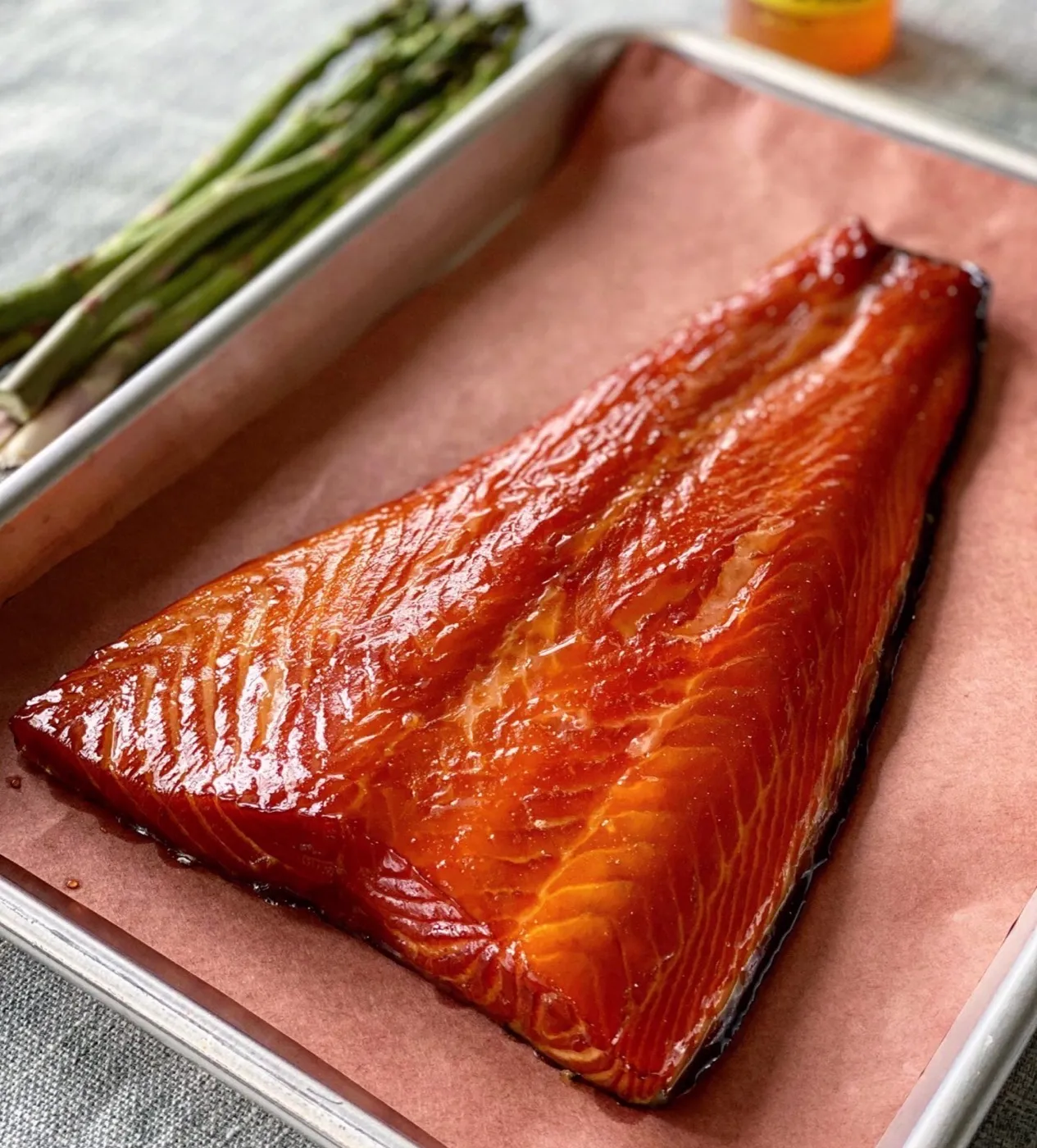
Quick Answer: Perfecting Your Smoked Fish Recipe: Brine and Smoke to Perfection is a rewarding culinary project. This guide leads you through selecting fresh seafood, creating the ideal brine, and mastering smoke techniques to achieve tender, flavorful results every time.
Updated: July 28, 2026

Perfecting Your Smoked Fish Recipe: Brine and Smoke to Perfection is a rewarding culinary project. This guide leads you through selecting fresh seafood, creating the ideal brine, and mastering smoke techniques to achieve tender, flavorful results every time. Begin by selecting the right fish and appropriate cuts. Firm, oily fish such as salmon, trout, and mackerel excel in smoked preparations. Look for fish with bright eyes, firm flesh, and a fresh sea aroma for the best results. Fillets with skin intact provide easier handling in the smoker, preserving the fish’s integrity during cooking.
Understanding the Basics of Smoking Fish
What is Smoking Fish?
Smoking fish is an age-old culinary method that imparts a unique smoky flavor while preserving the fish. Using a smoker, grill, or improv setup, smoke from wood chips envelops the fish, enhancing taste and extending shelf life.
Benefits of Smoking Fish at Home
Home smoking allows you full control over every aspect of the process—from selecting premium seafood to choosing specific wood chips. Tailor your brine and seasonings for personalized, delicious results while impressing your friends and family with homemade treats.
Essential Equipment: Choosing the Right Smoker
Your choice of smoker significantly impacts your smoked fish recipe. Consider:
- Electric smokers for precise temperature control.
- Charcoal smokers for a more authentic smoke taste.
Explore options like a Bradley smoker for reliability or a grill with wood chips for simplicity.
Preparing Your Fish for Smoking
Selecting the Right Seafood
Begin with top-tier choices like salmon, trout, cod, or steelhead. Their fat and thickness influence smoking time and enhance flavor outcomes, with sockeye salmon being particularly flavorful.
Cleaning and Gutting Your Fish
Thoroughly clean your fish by removing scales, fins, and guts. Wash under cold water to clear debris and blood, then dry completely to optimize brine absorption.
Understanding Different Fish Types for Smoking
Different fish provide unique textures and flavors. Salmon is rich and oily, ideal for absorbing smoke. Trout offers a milder taste, and cod gives firmness with subtle flavor—adapt your recipe to suit each type.
Brining Your Fish: A Step-by-Step Guide
What is Brining?
Brining enhances moisture and flavor in your smoked fish recipe. It involves soaking fish in a saltwater solution, creating a pellicle for smoke adherence and ensuring a delicious final product.
Basic Brine Recipe for Smoking Fish
Use kosher salt, sugar, and water as a base. A typical ratio is one cup of salt and one cup of sugar per gallon of water. Adjust flavors for specific fish types like salmon or trout for tailored tastes.
Flavor Enhancements: Seasoning Options for Brine
Infuse your brine with garlic, onion, pepper, and herbs for deeper flavors. Maple syrup adds sweetness, enhancing the glaze during smoking. Let creativity guide your signature smoked fish recipe.
Smoking Your Fish: Techniques and Tips
Preparing the Smoker: Temperature Control
Effective temperature regulation is key to a successful smoked fish recipe. Maintain between 175°F and 225°F using a reliable smoker to evenly cook and impart smoky notes to your fish.
Choosing the Right Wood: Hickory vs. Other Options
Wood chips dictate flavor. Hickory offers strong, smoky notes suitable for oily fish like salmon. Alder presents a milder, sweet profile, ideal for trout and cod. Experiment for your perfect flavor.
Monitoring Smoke Levels for Optimal Flavor
Adjust smoke levels for taste—light, consistent streams work best. Over-smoking leads to bitterness, so monitor carefully to achieve rich, smoky flavor without overwhelming the fish.
Finishing Touches: After Smoking Your Fish
How to Tell When Your Fish is Done
Ensure doneness by checking for opacity and flakiness. Verify with a thermometer—the fish should reach 145°F (63°C). This ensures safe and flavorful results in your smoked fish recipe.
Cooling and Storing Smoked Fish
Cool smoked fish on a rack before storing. Wrap in foil or plastic and refrigerate for two weeks. For long-term storage, freeze properly for enduring flavor and freshness.
Creative Ways to Enjoy Your Smoked Seafood
Enjoy smoked fish creatively—flake into salads, serve with cream cheese, or incorporate into breakfast dishes. This versatile ingredient enhances countless recipes.
Common Mistakes to Avoid When Smoking Fish
Over-Brining: Signs and Solutions
Avoid excess saltiness by monitoring soak times and experimenting with less salt. Adjust your brine to balance flavors for optimal results.
Temperature Mismanagement During Smoking
Keep temperatures steady to prevent drying or undercooking. Choose smokers with reliable controls to ensure consistent, successful outcomes.
Choosing the Wrong Type of Wood for Smoking
Match wood to your fish—avoid resinous varieties that cause bitterness. Consider hickory for robust flavors or alder for subtlety, pairing wood with fish type appropriately.
Conclusion: Mastering the Art of Smoking Fish
Recap of Key Steps in Smoking Fish
Master smoking by selecting top seafood, crafting perfect brine, controlling smoke, and maintaining temperature. Follow these steps for delicious smoked fish at home.
Encouragement for Experimentation in Culinary Techniques
Feel free to explore different techniques and ingredients in your smoked fish recipe. Culinary creativity fosters mastery in smoking fish and personalizing recipes for unique results.
Resources for Further Learning on Smoking and Brining
Expand skills with resources like online tutorials and cooking classes. Connect with enthusiasts for shared tips and practices to refine your smoked fish expertise.