
Updated: July 28, 2026
Quick Answer: The Ultimate Smoked Brisket Recipe
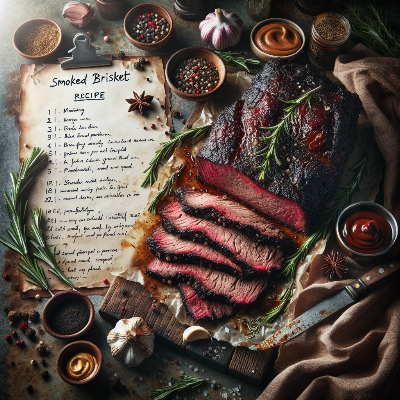
The ultimate smoked brisket recipe involves selecting a whole packer brisket, trimming it properly, applying a classic dry rub, smoking low and slow at 225°F–250°F for 14–18 hours, wrapping at the stall, resting the meat, and slicing it carefully to enjoy tender, juicy, flavorful brisket with a perfect smoke ring and bark.
[wb_disclosure]
Introduction to The Ultimate Smoked Brisket Recipe
If you’ve ever enjoyed a perfectly smoked brisket—tender, juicy, with a beautiful pink smoke ring and a flavorful crust—you understand why mastering this craft is so rewarding. Smoked brisket is the crown jewel of American barbecue, unmatched in flavor and texture.
While smoked brisket may seem complicated, with the right recipe and guidance, anyone can achieve excellent results at home. Whether you’re a backyard BBQ enthusiast or a beginner, this guide will walk you through every step to make an outstanding smoked brisket.
What Makes Smoked Brisket So Special?
Brisket comes from the breast section of the cow, a heavily worked muscle group that is naturally tough. When cooked low and slow with smoke, the tough connective tissue breaks down into silky gelatin, creating a melt-in-your-mouth texture.
The smoke not only cooks the meat but also flavors and colors it, transforming it into something extraordinary. This recipe is worth every hour it takes to prepare.
Understanding Your Brisket: Choosing the Right Cut
A great smoked brisket starts with choosing the right cut. A whole packer brisket consists of two parts:
- The Flat: Leaner and thinner, ideal for slicing.
- The Point: Thicker and fattier, perfect for burnt ends.
For this recipe, a whole packer brisket weighing 12 to 15 pounds is recommended to enjoy both sections.
When selecting your brisket, look for:
- Plenty of marbling for flavor and tenderness.
- A fat cap about ¼ inch thick after trimming.
- Good flexibility indicating proper marbling.
Choice grade brisket is excellent; USDA Prime is better if available. Wagyu brisket is a premium option but more expensive.
What You’ll Need: Equipment
Before starting, gather the necessary equipment:
- Smoker: Offset smoker, pellet smoker, kamado-style grill, or kettle grill set for indirect smoking. Consistent temperature control is key.
- Meat Thermometer: Instant-read or probe thermometer essential for monitoring internal temperature.
- Butcher Paper or Aluminum Foil: For wrapping the brisket during cooking.
- Cutting Board and Sharp Slicing Knife: For proper slicing of the brisket.
The Ultimate Smoked Brisket Recipe
Ingredients
For the Brisket:
1 whole packer brisket (12–15 lbs)
For the Dry Rub:
- ½ cup coarse kosher salt
- ½ cup coarse black pepper (freshly cracked preferred)
- 2 tablespoons garlic powder
- 2 tablespoons onion powder
- 1 tablespoon smoked paprika
- 1 teaspoon cayenne pepper (optional for heat)
For the Spritz (optional but recommended):
- 1 cup apple cider vinegar
- 1 cup water (or apple juice for sweetness)
Wood for Smoking:
- Oak (classic Texas-style)
- Hickory (bold smoke flavor)
- Cherry or apple wood (milder, sweeter smoke)
- Combination of oak and cherry works wonderfully
Step 1: Trimming the Brisket (The Day Before)
Trim the fat cap to about ¼ inch thickness, removing hard, waxy fat that won’t render. Flip the brisket and trim silver skin and hard fat from the meat side. Shape the brisket for even cooking. Don’t worry about perfection; the final flavor is what matters.
Step 2: Applying the Dry Rub
Mix all dry rub ingredients. Generously apply the rub to every surface of the brisket, patting it in to help it adhere and form a bark. Place the brisket on a wire rack over a baking sheet and refrigerate uncovered overnight or at least 2 hours to dry brine and develop flavor.
Step 3: Firing Up the Smoker
Remove the brisket from the fridge about an hour before cooking. Preheat your smoker to 225°F–250°F. Add wood chunks or pellets for consistent smoke, especially during the first half of the cook.
Step 4: The Smoke — The Long, Beautiful Smoke
Place the brisket fat-side up on the smoker. Smoke for approximately 1 to 1.5 hours per pound, totaling 14–18 hours for a 12–15 pound brisket.
Expect a stall phase at 150°F–165°F lasting several hours; this is normal moisture evaporation. Spritz the brisket lightly every hour after the first 3 hours with the apple cider vinegar and water mixture to maintain moisture and enhance bark development. Avoid over-spritzing.
Step 5: The Wrap
When the internal temperature reaches 165°F–170°F, wrap the brisket tightly in pink butcher paper (recommended for breathability and bark preservation) or aluminum foil (for moisture retention and faster cooking). Return the wrapped brisket to the smoker.
Continue cooking until the internal temperature reaches 200°F–205°F. Use the probe test by inserting a thermometer or skewer into the thickest part; it should slide in with little resistance, indicating tenderness.
Step 6: The Rest (Don’t Skip This!)
Remove the brisket from the smoker, keep it wrapped, and let it rest for at least 1 hour, preferably 2 or more. Resting allows juices to redistribute, ensuring a juicy final product. Keep warm in a dry cooler lined with towels if needed.
Step 7: Slicing and Serving
Carefully unwrap the brisket, reserving any juices. Slice against the grain with a sharp knife to serve tender, flavorful smoked brisket.
Final Verdict
The ultimate smoked brisket recipe requires patience, attention to detail, and quality ingredients. By following these steps—selecting the right brisket, trimming properly, applying a classic dry rub, smoking low and slow, wrapping at the stall, resting adequately, and slicing carefully—you can achieve a mouthwatering smoked brisket that rivals the best BBQ joints. Whether for a special occasion or a weekend project, this recipe delivers exceptional flavor and texture that will impress family and friends.
Related guide: How to Season Gas Grill: A Step-by-Step Guide to Perfect Grilling.
FAQs
Is ultimate smoked brisket recipe a good choice?
It can be a good choice if it matches your cooking style, budget, space, and expectations. The key is comparing the real benefits against the tradeoffs before buying.
What should buyers check first?
Buyers should check size, build quality, ease of use, warranty, cleanup, and whether the product fits the way they actually cook.
Who should skip it?
Shoppers should skip it if they need a different size, a lower price, simpler controls, or stronger long-term durability than this option appears to offer.
Related Grill Guides