: Quick Buyer Takeaway
Who This Guide Helps Most
Key Buying Details To Check
Best Wood Pellets for Grilling: Top Picks for Better Smoke, Flavor, and Burn Quality
Quick Verdict
The best wood pellets for grilling are the ones that burn clean, stay dry, produce steady heat, and give you the right smoke flavor for the food you cook most. For most backyard cooks, a good all-purpose blend like hickory, maple, cherry, or oak-based competition pellets is the safest place to start.
Best for: Pellet grill owners, smoker users, backyard BBQ cooks, ribs, pork shoulder, chicken, burgers, brisket, and everyday grilling.
Not ideal for: Anyone looking for heating pellets, cheap mystery pellets, or pellets not marked food-safe.
Main strength: Quality pellets can improve smoke flavor, temperature consistency, and burn efficiency.
Main concern: Poor pellets can create excess ash, weak smoke, bitter flavor, or even auger problems.
Bottom line: Buy food-grade hardwood BBQ pellets from a trusted brand, keep them dry, and match the wood flavor to your food.
As an affiliate site, we may earn a commission if you buy through links on this page. That does not change what we look for: clean smoke, steady burn, fair value, and fewer headaches after the sale.
Trust Note: How This Guide Was Researched
I have been grilling for more than 50 years, but I am not going to pretend I personally cooked with every pellet brand on the market. For this guide, I looked at manufacturer information, retailer listings, public owner feedback patterns, and the kind of real-world details that matter after the bag is opened.
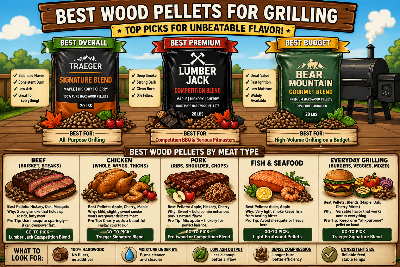
The manufacturer pages for popular pellet brands show that many top blends use hardwood combinations such as hickory, maple, cherry, oak, mesquite, apple, and pecan. Traeger’s Signature Blend, for example, is listed as a hickory, maple, and cherry blend, while Lumber Jack’s Competition Blend is also described as maple, hickory, and cherry. Bear Mountain’s Gourmet Blend is marketed as a 100% natural wood pellet with a balanced smoky flavor, and Camp Chef lists several pellet flavors including competition blends, hickory, cherry, apple, and oak.
After enough years around grills, I pay close attention to the things that usually matter after the excitement of buying wears off: how clean the fire burns, whether the pellets crumble, whether they feed smoothly, whether the smoke tastes clean, and whether the bag stays usable after sitting in a garage for a while.
Product Overview: What Are Wood Pellets for Grilling?
Wood pellets for grilling are small compressed pieces of hardwood sawdust made for pellet grills, pellet smokers, and some smoker tubes or smoke boxes. They are not the same thing as home-heating pellets. BBQ pellets should be food-grade and made for cooking.
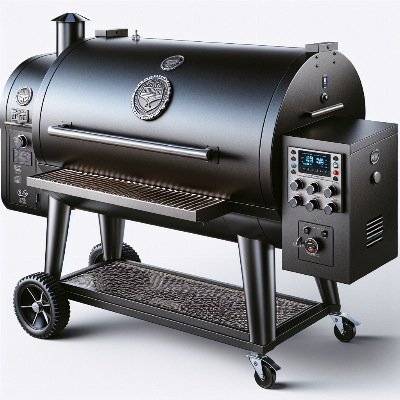
A pellet grill burns these pellets in a small fire pot. An auger feeds the pellets from the hopper into the fire pot, while a fan helps control combustion. That is why pellet quality matters so much. Pellets are not just “flavor dust.” They are both the fuel and the smoke source.
Good pellets should:
Burn cleanly
Produce steady heat
Create pleasant smoke
Leave manageable ash
Feed smoothly through the auger
Stay firm instead of turning into sawdust
Avoid odd chemical smells or bitter flavor
Bad pellets can cause temperature swings, weak smoke, too much ash, dirty smoke, pellet bridging, auger jams, and a whole lot of cussing in the backyard. Ask me how I know — after enough years grilling, you learn that cheap fuel can ruin expensive meat.
Key Specifications Table
Pellet Type / Brand Common Wood Blend Bag Size Best Use Flavor Strength Notes
Traeger Signature Blend Hickory, maple, cherry Commonly 20 lb All-purpose grilling and smoking Medium Versatile blend for meat, fish, and vegetables.
Lumber Jack Competition Blend Maple, hickory, cherry Commonly 20 lb Everyday BBQ, ribs, pork, poultry Medium to bold Popular competition-style blend with sweet and classic BBQ character.
Bear Mountain Gourmet Blend Hardwood blend; retailer listing describes oak, hickory, maple, cherry 20 and 40 lb options listed by brand Meat, fish, vegetables Medium Bear Mountain says its pellets are made from 100% sustainable BBQ wood.
Camp Chef Hardwood Pellets Multiple flavors including competition, hickory, cherry, apple, oak Commonly 20 lb General pellet grilling Varies by flavor Camp Chef lists pellets as 100% pure with no fillers on its pellet collection page.
Hickory Pellets Hickory Varies Pork, ribs, beef, burgers Bold Classic BBQ flavor, stronger than fruit woods.
Cherry Pellets Cherry Varies Pork, chicken, ribs, turkey Mild to medium Slightly sweet, good color on meat.
Apple Pellets Apple Varies Poultry, pork, fish Mild Gentle smoke, good for lighter meats.
Oak Pellets Oak Varies Beef, brisket, general cooking Medium Clean, steady, versatile base wood.
Mesquite Pellets Mesquite Varies Beef, steak, bold BBQ Strong Can overpower poultry or fish if overused.
What Stands Out About Good Wood Pellets
Clean Burn Matters More Than Fancy Flavor Names
A lot of pellet bags have pretty labels. That is fine, but the real question is what happens when those pellets hit the fire pot. Good pellets burn clean and produce a steady fire. Poor pellets may create a heavy ash load or dirty smoke.
Dirty smoke can make food taste bitter. Clean smoke gives you that mild blue-smoke flavor people want from pellet cooking. If the smoke smells sharp, sour, or chemical-like, something is wrong.
Pellet Density Affects Feeding and Heat
Good pellets should feel firm. If you grab a handful and they are already falling apart into dust, that is not a great sign. A little dust in the bottom of the bag is normal. A bag full of sawdust is not.
Too much dust can affect pellet feeding. It can also collect in the hopper and fire pot. That does not mean one dusty bag will destroy your grill, but it does mean you should pay attention before dumping the whole thing in.
Moisture Is the Enemy
Pellets hate moisture. Once they absorb humidity, they swell, crumble, and lose feeding quality. Wet pellets can jam an auger, burn poorly, or turn into a nasty paste in the hopper.
I do not care how good the brand is — if the bag got soaked in a shed, it is not the same pellet anymore.
Store pellets in:
A sealed bucket
A lidded plastic tote
A dry garage shelf
The original bag clipped tightly inside a dry container
Do not leave an open bag on a damp concrete floor.
Wood Flavor Should Match the Food
There is no single best pellet flavor for every cook. A strong wood like mesquite can be terrific on beef but too harsh on fish. Apple can be excellent on pork and poultry but may taste too mild for someone wanting bold Texas-style brisket flavor.
A smart backyard cook keeps one all-purpose blend around and then adds stronger or milder flavors depending on the meat.
Best Wood Pellets for Grilling: Top Picks
1. Best Overall: Competition Blend Pellets
Competition blend pellets are usually the best starting point for most people because they balance sweet, smoky, and savory notes. Blends that include hickory, maple, cherry, or oak are especially useful because they work across many foods.
Lumber Jack’s Competition Blend is described by the brand as a maple, hickory, and cherry mixture designed for everyday grilling and smoking. Traeger’s Signature Blend also uses hickory, maple, and cherry, giving it a similar all-purpose profile.
Best for:
Ribs
Pork shoulder
Chicken
Burgers
Brisket
Turkey
Mixed backyard cooks
Why it works:
A competition blend gives you enough hickory-style BBQ flavor without going too heavy. The cherry or maple side adds some sweetness. That makes it a good “one bag does most things” choice.
Main caution:
If you want very strong smoke, some blends may taste too mild. Pellet grills already burn cleaner than stick burners, so bold-smoke folks may want hickory, mesquite, or oak-heavy pellets.
2. Best for Pork and Ribs: Hickory Pellets
Hickory is one of the classic BBQ woods. It has a bold, bacon-like smoke character that works especially well with pork.
Best for:
Baby back ribs
Spare ribs
Pork butt
Bacon
Sausage
Burgers
Why it works:
Pork can handle more smoke than fish or chicken breast. Hickory gives ribs and shoulder that traditional BBQ smell that makes neighbors mysteriously appear near the fence.
Main caution:
Hickory can get heavy if you use it on delicate foods. For chicken, turkey, or fish, I often prefer mixing hickory with apple, cherry, maple, or oak.
3. Best for Chicken and Turkey: Cherry Pellets
Cherry is one of my favorite woods for poultry because it gives good color and a slightly sweet smoke. It is not as aggressive as hickory or mesquite.
Best for:
Chicken thighs
Whole chicken
Turkey breast
Pork loin
Ribs
Ham
Why it works:
Cherry smoke is noticeable but usually not harsh. It also helps poultry develop a nice color, especially when cooking at moderate temperatures.
Main caution:
Cherry by itself may be too mild for beef lovers. If you are smoking brisket, I would rather use oak, hickory, or a competition blend.
4. Best for Brisket and Beef: Oak Pellets
Oak is steady, clean, and dependable. It gives enough smoke for beef without being as sharp as mesquite.
Best for:
Brisket
Chuck roast
Beef ribs
Steak
Burgers
Tri-tip
Why it works:
Oak is a backbone wood. It does not scream for attention, but it supports beef nicely. Many strong BBQ regions lean heavily on oak for a reason.
Main caution:
Oak may not taste exciting to someone who wants a sweeter smoke. If you want more flavor complexity, try an oak/cherry or oak/hickory blend.
5. Best Mild Pellet: Apple Pellets
Apple pellets are gentle, sweet, and easy to use. They are great when you do not want smoke to dominate the meat.
Best for:
Chicken
Pork chops
Fish
Vegetables
Turkey
Light pork cooks
Why it works:
Apple is forgiving. It is a good choice for beginners because it is less likely to overpower food.
Main caution:
Apple may be too light for brisket, beef ribs, and big pork shoulders unless you like a softer smoke profile.
6. Best Bold Pellet: Mesquite Pellets
Mesquite is strong. Some folks love it. Some folks think it tastes too sharp. Used wisely, it can be excellent on beef.
Best for:
Steaks
Beef ribs
Burgers
Fajita-style meats
Short cooks where bold smoke is wanted
Why it works:
Mesquite brings a powerful smoke punch. On beef, that can be a good thing.
Main caution:
Mesquite can overpower chicken, pork loin, fish, and vegetables. If you are new to pellet grilling, do not make mesquite your only bag.
Little-Known Owner Feedback Patterns
Wood pellet complaints usually fall into a few common buckets.
1. “These pellets made too much ash.”
Ash can come from pellet quality, grill design, burn temperature, and how often the fire pot gets cleaned. Some ash is normal. Excess ash can smother the fire, cause temperature problems, or create a dirty burn.
If owners repeatedly complain about high ash from a specific pellet, I pay attention.
2. “The smoke flavor was too weak.”
This is common with pellet grills in general. Pellet grills burn efficiently, and efficient fire often means lighter smoke. Some cooks blame the pellet when the grill design or cooking temperature is part of the issue.
For stronger flavor:
Cook lower for part of the cook
Use stronger pellets like hickory or mesquite
Try a smoke tube
Avoid constantly opening the lid
Keep pellets dry
3. “The pellets crumbled in the bag.”
Crumbly pellets usually mean moisture exposure, rough handling, age, or poor pellet binding. A little dust is not a crisis. A bag that looks half like sawdust is a problem.
4. “My auger jammed.”
Not every jam is caused by pellets, but swollen pellets are a common suspect. If pellets get damp, they can expand and bind inside the auger tube.
5. “One brand tastes better than another.”
This is partly personal preference. Some brands use different wood blends, different base woods, and different production methods. Two bags both labeled “cherry” may not taste exactly the same.
The happiest pellet buyers usually know what flavor profile they want and store their pellets correctly.
Real-World Cooking Performance
Burgers
For burgers, use hickory, oak, mesquite, or a competition blend. Burgers cook quickly, so mild pellets may not have enough time to add noticeable smoke.
A pellet grill will not always sear like a charcoal grill or screaming-hot gas grill unless it has a direct-flame feature, but the right pellets can still add good flavor.
Steaks
For steaks, I like oak, hickory, or mesquite. Mesquite can be strong, so I would use it carefully. If you reverse sear, smoke the steak low first, then finish hot.
Pellets matter more during the low-temperature part of the cook. Once you crank the grill high, you are cooking more with heat than smoke.
Chicken
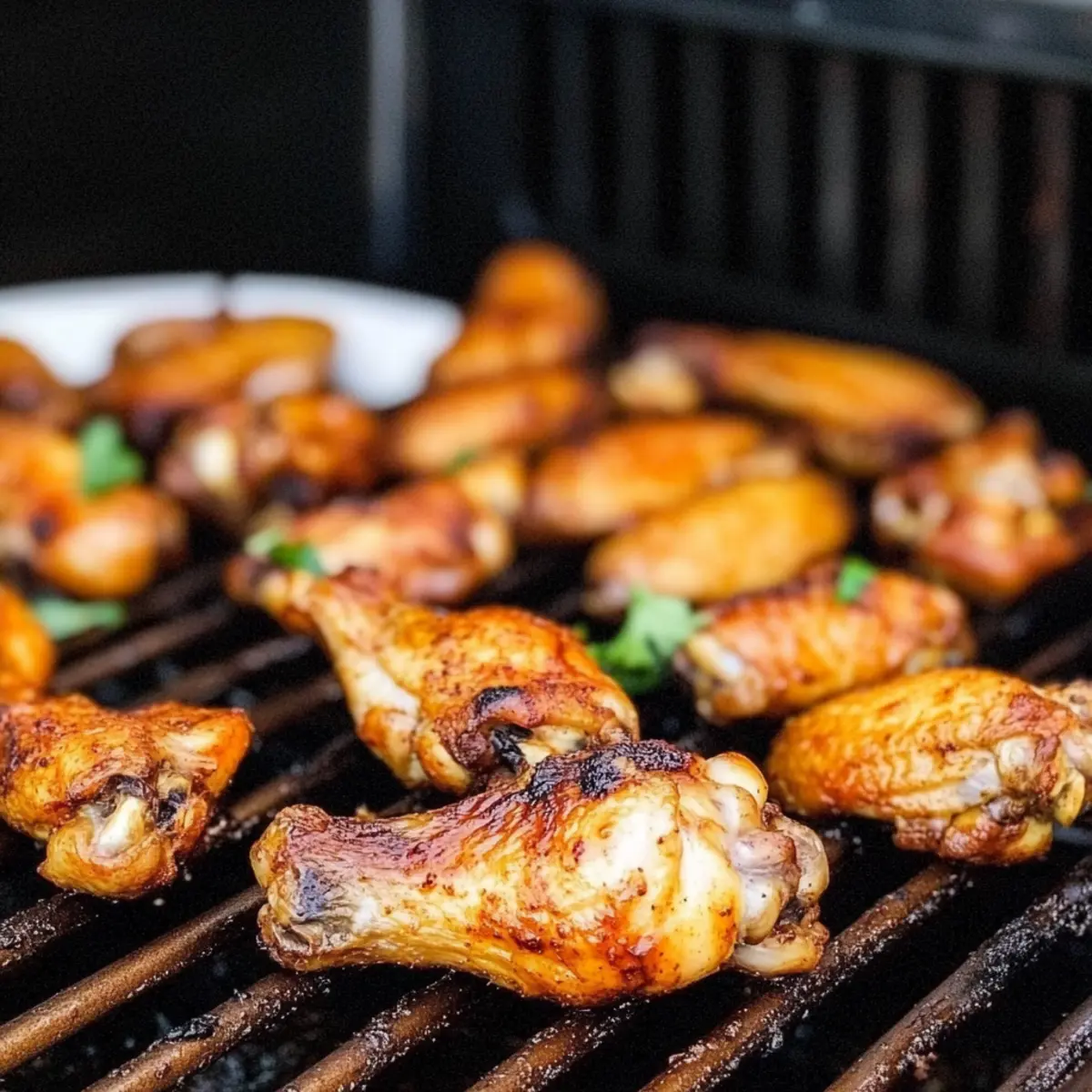
Chicken works well with apple, cherry, maple, or a lighter competition blend. Strong hickory can work on thighs and wings, but it may be too much for chicken breast.
For crispy skin, pellets are only part of the story. You also need enough heat, dry skin, and good airflow.
Ribs
Ribs are one of the best foods for pellet smoking. Hickory, cherry, apple, pecan, and competition blends all work. Cherry can help with color. Hickory gives that classic rib-shop smell.
Pork Shoulder
Pork shoulder can handle hickory, oak, pecan, cherry, or competition pellets. Because pork shoulder cooks for a long time, even medium-strength pellets can build good flavor.
Brisket
For brisket, I would look at oak, hickory, mesquite blends, or competition pellets. Brisket is a big cut with a lot of surface area, and it benefits from a deeper smoke profile.
Fish
Fish does better with mild pellets like alder, apple, cherry, or maple. Strong mesquite is usually too much unless you are cooking a very hearty fish and know exactly what you like.
Vegetables
Vegetables are great with cherry, apple, maple, oak, or a mild blend. Too much smoke can make vegetables taste bitter, especially if they are cut small and cooked long.
Heat Control: Why Pellets Affect Temperature
A pellet grill relies on predictable fuel. If pellets are dense, dry, and consistent, the grill has an easier time feeding and burning them. If pellets are damp, broken, or dusty, the grill may struggle more.
Pellet quality can affect:
Startup
Flame stability
Temperature swings
Smoke output
Ash buildup
Shutdown performance
Auger feeding
That said, not every temperature problem is the pellet’s fault. Wind, cold weather, dirty fire pots, bad probes, low-quality controllers, and poor grill maintenance can all cause swings.
One thing I have learned over the years: when a pellet grill starts acting strange, check the simple stuff first. Clean the fire pot. Check the pellets. Make sure the hopper is dry. Then start blaming the electronics.
Build Quality and Pellet Durability
Pellets do not have “build quality” like a grill, but they do have manufacturing quality. Good pellets should be:
Uniform in size
Firm, not mushy
Low in dust
Food-grade
Properly dried
Made from hardwood suitable for cooking
Free from odd odors
A good bag of pellets should smell like wood, not chemicals, glue, mildew, or damp cardboard.
Ease of Use
Wood pellets are easy when stored properly. Pour them in the hopper, set the temperature, and let the grill feed them. That is the beauty of pellet cooking.
But the easy button goes away fast if you leave pellets exposed to moisture. Damp pellets are one of the most avoidable pellet grill headaches.
Ease of Cleaning
Pellets with lower ash output usually make cleanup easier. Even good pellets create ash, so do not ignore the fire pot.
Basic pellet cleanup routine:
Vacuum the fire pot after several cooks
Clean ash from the bottom of the grill
Scrape grease trays
Empty grease buckets
Keep the hopper dry
Remove old pellets if the grill will sit unused in humid weather
Pellets are convenient, but pellet grills are not maintenance-free. Anyone selling you that idea is skipping the part where grease and ash still exist.
Pros and Cons of Wood Pellets for Grilling
Pros
Easy to use compared with managing a charcoal or wood fire
Provide both fuel and smoke flavor
Many flavor options for different meats
Great for low-and-slow cooking
Cleaner and more predictable than burning random wood chunks
Excellent for ribs, pork shoulder, chicken, turkey, and brisket
Good all-purpose blends work across many foods
Cons
Must be kept dry
Poor pellets can create dust, ash, and feeding issues
Smoke flavor may be lighter than an offset smoker
Some flavors are too mild for big meats
Some bold woods can overpower delicate food
Pellet grills still require ash and grease cleanup
Prices vary widely by brand and retailer
Who Should Buy Quality BBQ Pellets?
You should buy good BBQ pellets if you:
Own a pellet grill or pellet smoker
Want cleaner smoke flavor
Cook ribs, pork, brisket, chicken, or turkey
Want easier temperature control
Care about reducing ash buildup
Want dependable fuel for longer cooks
Prefer convenience over managing a full wood fire
If you spent good money on a pellet grill, do not feed it junk pellets. That is like buying a nice truck and filling it with bad gas.
Who Should Skip Pellet Grilling?
Pellet grilling may not be your best fit if you:
Want heavy stick-burner smoke
Love managing a live charcoal fire
Mainly cook steaks at very high heat
Do not want to clean ash or grease
Do not have dry storage space
Expect pellets to taste exactly like a traditional offset smoker
Pellet grills are convenient, steady, and easy to live with. But they are not magic. They do not replace every cooker perfectly.
Common Owner Complaints
Complaint What It Means How Serious? Possible Workaround
Pellets produce too much ash More cleanup and possible fire pot issues Medium Clean fire pot more often; try a different brand
Weak smoke flavor Pellet grill burns very efficiently or pellets are mild Medium Use hickory, oak, mesquite, or a smoke tube
Pellets crumble Moisture exposure or poor handling High Store in sealed container; avoid damaged bags
Auger jams Often caused by swollen or broken pellets High Keep pellets dry; empty hopper during long storage
Flavor too strong Wood choice too bold for the food Low to medium Use apple, cherry, maple, or a blend
Pellets cost too much Premium bags can add up Medium Buy in larger bags when practical; compare local prices
Common Owner Praise
Happy pellet users usually praise:
Ease of use
Consistent heat
Good BBQ flavor
Less babysitting than charcoal
Great results on ribs and pork
Simple startup
Good variety of wood flavors
Ability to smoke, roast, and grill on one cooker
The biggest praise is convenience. Pellet grills let people cook low-and-slow without tending a fire every 30 minutes. That is a big deal for normal backyard cooks who have jobs, families, and grass to mow.
Value for Money
Wood pellets are worth buying carefully. The cheapest bag is not always the best value if it creates more ash, weak flavor, or feeding problems.
A better value pellet is one that:
Burns clean
Produces good flavor
Does not crumble easily
Has low dust
Is easy to find locally
Works well in your grill
Comes from a brand with consistent quality
For most people, the best value is a reliable 20-pound bag of competition blend, hickory, oak, or cherry pellets from a known BBQ pellet brand. Specialty flavors are nice, but you do not need ten bags to cook good food.
Comparison: Popular Wood Pellet Choices
Pellet Type Best For Main Advantage Main Drawback Better Choice If…
Competition Blend Everyday grilling Works with almost everything May be too mild for bold smoke lovers You want one bag for most cooks
Hickory Pork, ribs, burgers Classic BBQ flavor Can overpower delicate foods You cook a lot of pork
Cherry Poultry, ribs, pork Good color and mild sweetness Not bold enough for some beef cooks You want balanced smoke
Oak Brisket, beef, general use Clean and steady Less sweet or flashy You cook brisket or beef often
Apple Chicken, fish, pork Gentle and beginner-friendly Too mild for big meats You want light smoke
Mesquite Beef and bold BBQ Strong smoke punch Can get harsh fast You love bold smoke flavor
Buying Advice From a 50-Year Griller
After more than 50 years around grills, here is how I would buy pellets.
First, do not buy by flavor name alone. “Premium backyard pitmaster smokehouse champion blend” means nothing if the pellets are dusty and damp. Open the bag, smell the pellets, and look for quality.
Second, buy for the food you actually cook. If you mostly cook chicken and pork chops, you probably do not need mesquite as your main pellet. If you smoke brisket and beef ribs, apple pellets may leave you wanting more.
Third, read bad reviews first. Not because angry reviews are always right, but because patterns matter. If many buyers complain about crumbling pellets, wet bags, or excess ash, pay attention.
Fourth, store pellets like they matter. A good pellet ruined by moisture becomes a bad pellet. I like sealed buckets because they keep pellets dry and make storage easier.
Fifth, do not expect pellets to fix bad grill maintenance. If your fire pot is packed with ash and grease is everywhere, switching brands will not solve everything.
Maintenance Tips for Wood Pellets and Pellet Grills
Keep pellets dry at all times
Store opened bags in sealed containers
Do not leave pellets sitting in the hopper for months
Vacuum the fire pot regularly
Empty ash before long cooks
Clean grease trays and drip buckets
Check the hopper for pellet dust
Avoid using pellets that smell musty
Do not use heating pellets for cooking
Keep a backup bag on hand before overnight cooks
Nothing ruins a long pork shoulder cook like realizing at midnight that you are almost out of pellets. Been there, hated that.
FAQ: Best Wood Pellets for Grilling
What are the best wood pellets for grilling?
For most backyard cooks, the best wood pellets are competition blend, hickory, oak, cherry, or apple pellets from a trusted BBQ pellet brand. Competition blends are the safest all-purpose choice because they work with beef, pork, poultry, and vegetables.
Are wood pellets better than charcoal?
Wood pellets are easier and more automatic. Charcoal gives you more direct fire flavor and better high-heat searing. Pellets are better for convenience and steady smoking. Charcoal is better if you enjoy fire management and hotter direct grilling.
Can I use heating pellets in a pellet grill?
No. Use only food-grade BBQ pellets made for cooking. Heating pellets may contain woods, binders, contaminants, or materials that are not meant for food.
What pellet flavor is best for brisket?
Oak, hickory, mesquite blends, and competition blends are best for brisket. Oak is steady and clean, hickory is more classic BBQ, and mesquite gives a stronger smoke punch.
What pellet flavor is best for chicken?
Apple, cherry, maple, and lighter competition blends work well for chicken. Hickory can work, especially on thighs and wings, but it may be too strong for chicken breast.
Do pellets go bad?
Pellets can go bad if they absorb moisture. Damp pellets swell, crumble, and may cause feeding problems. Keep them sealed and dry.
Why does my pellet grill not taste smoky enough?
Pellet grills burn efficiently, so the smoke flavor is often lighter than a stick burner. Use stronger pellets, cook lower for part of the cook, avoid opening the lid too much, and consider using a smoke tube.
How many pellets does a pellet grill use?
Pellet use depends on grill size, weather, cooking temperature, and grill insulation. Low-and-slow cooks use fewer pellets per hour than high-temperature grilling, but long brisket or pork shoulder cooks still require plenty of fuel.
Are expensive pellets worth it?
Sometimes. Expensive pellets are worth it if they burn cleaner, create better flavor, and produce less dust or ash. But price alone does not guarantee quality. Consistency matters more than fancy packaging.
Should I empty my pellet hopper after cooking?
If you cook often and your grill is stored dry, you may leave pellets in the hopper short-term. If the grill sits outside, humidity is high, or you will not cook for a while, empty the hopper and store pellets in a sealed container.
Final Verdict
The best wood pellets for grilling are not always the fanciest or most expensive. They are the pellets that burn clean, feed smoothly, stay dry, and match the food you cook.
For most backyard cooks, I would start with a competition blend or oak/hickory/cherry-style all-purpose blend. That gives you enough smoke for ribs, pork, burgers, chicken, and brisket without locking you into one strong flavor. From there, add hickory for pork, oak for beef, cherry for poultry and ribs, apple for mild cooks, and mesquite only when you want bold smoke.
Buy it if: You own a pellet grill and want better flavor, cleaner burn, and more predictable cooking.
Skip it if: You are looking at heating pellets, bargain mystery pellets, or you do not have a dry place to store them.
Best buyer fit: Pellet grill owners who want dependable backyard BBQ results without babysitting a fire.
Main caution: Keep pellets dry. Moisture ruins good pellets faster than almost anything else.
Rating
Flavor potential: 9/10
Ease of use: 9/10
Heat consistency support: 8/10
Storage sensitivity: 6/10
Value: 8/10
Overall: 4.3 out of 5
SEO Extras
Meta Title
Best Wood Pellets for Grilling: Top BBQ Picks
Meta Description
Find the best wood pellets for grilling, smoking, brisket, ribs, chicken, and burgers with practical flavor and buying advice.
Suggested URL Slug
best-wood-pellets-for-grilling
Suggested Image Alt Text
Best wood pellets for grilling with BBQ smoker pellets for ribs, brisket, chicken, and backyard cooking
Suggested Internal Links
Pellet Grill Reviews
Best Pellet Grills for Beginners
Best Pellet Grills Under $500
Pellet Grill Buying Guide
How to Smoke Ribs on a Pellet Grill
Best Wood Pellets for Brisket
Best Pellet Grill Accessories
Suggested Affiliate Button Text
Check Price on Wood Pellets
See Today’s Pellet Deals
Compare BBQ Pellet Prices
Shop Food-Grade Smoking Pellets
Suggested Disclosure Text
As an affiliate site, we may earn a commission if you buy through links on this page. That does not change our goal: helping backyard cooks choose products that offer steady performance, fair value, and fewer problems after the sale.
External Source Suggestions
Official Traeger pellet product pages
Official Bear Mountain BBQ pellet pages
Official Lumber Jack BBQ pellet pages
Official Camp Chef pellet pages
Retailer review sections from Amazon, Home Depot, Tractor Supply, Walmart, BBQGuys, and Ace Hardware
FAQ Schema JSON-LD