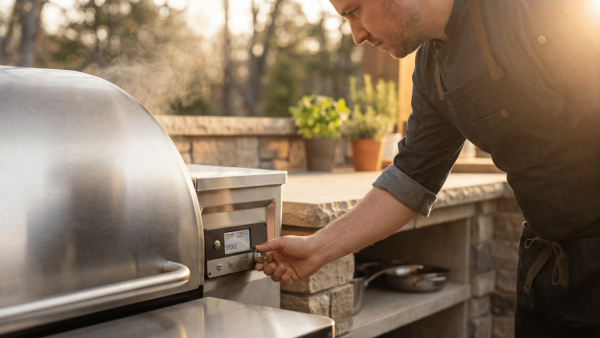
Welcome to outdoor cooking with the Traeger Grills Pro Series 22 Electric Wood Pellet Grill and Smoker. This compact and versatile pro series grill combines plug-and-play electric convenience with real wood-fired flavor. You can sear a steak for a crisp, caramelized crust. Or, smoke a brisket low and slow until tender. You can even bake a wood-fired pizza with a smoky edge. The Traeger Pro helps you get repeatable results with less guesswork than charcoal or gas.
In this guide, you’ll find clear and practical information to help you decide if the Traeger Pro is right for your backyard. This includes key features, specs, how the Digital Pro controller and pellet system work, and buyer reviews. You will also find real-user notes, plus tested recipes and an FAQ. Read on for quick specs, hands-on tips, and a short buying checklist to simplify your decision.
What you’ll learn:
- How the Pro Series 22 delivers consistent temperature control and wood-fired flavor
- Key features and practical cooking profiles, along with must-have accessories
- Real buyer feedback, troubleshooting tips, and a simple buying checklist
Skip to specs • Jump to recipes • See the buying checklist
Experience the Magic of Wood-Fired Cooking
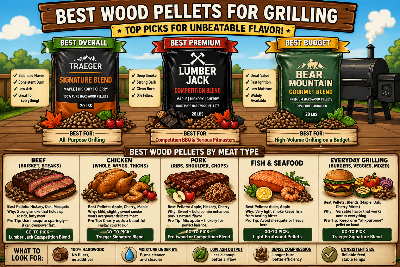
The Traeger Pro Series 22 brings genuine wood-fired flavor to everyday grilling and long smoking sessions. It delivers a smoky aroma, caramelized crusts, and savory depth you don’t get from gas or most standard electric grills. Hardwood pellets, made from compressed sawdust, create that signature smoke. They produce less loose ash than lump charcoal. Many users report that pellets are cleaner and more convenient for routine cooking and cleanup. If you’re looking for a richer smoking experience, check out our best wood pellets for grilling guide.
One grill can handle many jobs. You can use the Pro Series 22 to sear a steak for a caramelized exterior. You can smoke a brisket low and slow until it pulls apart. You can also bake a wood-fired pizza with a subtle smoky finish. Match pellet flavor to the food for best results. Apple or cherry brightens pork and poultry. Hickory or oak adds backbone to beef. Mesquite gives a bold BBQ character. For example, apple pellets with a pork shoulder add a soft sweetness that complements a tangy glaze and helps balance long smoke times.
“I’ve had my Traeger for two years — it’s been a game-changer. The wood-fired flavor adds an extra level of deliciousness to everything I make.”
– Traeger Pro Series 22 owner (user quote)
What makes the flavor special?
Real hardwood pellets burn consistently and create flavorful smoke. This smoke circulates evenly through the cooking chamber. The controlled burn reduces flare-ups. It helps develop roasted notes across meats and baked goods. This makes results more repeatable than open-flame charcoal. If you want a pure profile, start with single-flavor bags. After you learn a pellet’s character, try small blends to experiment. For more insights on utilizing different types of grills, check our article on Gas vs Charcoal Grill: Pros & Cons.
- Repeatable smoky, savory results for grilling and smoking
- Lower loose ash and easier cleanup versus many lump charcoal setups (user-reported)
- Wide pellet flavor options — choose the wood to match the dish
Want to experiment safely? Store pellets in a cool, dry place and keep bags sealed. Damp pellets can swell and jam the auger. Jump to our recipe and pellet-pairing guides (see anchor) for tested combos that work well. You can also continue to the cooking tips below for starter profiles and sear techniques.
Key Features of the Traeger Grills Pro Series 22
The Traeger Grills Pro Series 22 Electric Wood Pellet Grill and Smoker pairs practical design with precise digital control. It serves backyard cooks and serious grillers. Below are the standout features, why they matter, and quick real-world examples. This way, you can see how the Pro Series 22 performs in everyday use and during long smokes.
| Feature | Benefit / Example |
| Electric operation | Plug-and-play electric power for easy startup and stable temps. Set the dial and the grill maintains heat without tending a fire. Example: faster preheat and steadier cooking than many charcoal setups. You can predict grill time and serve on schedule. |
| Wood pellet fuel | Uses hardwood pellets for authentic smoke flavor. You can choose hickory, apple, mesquite, and more to match the food. Example: apple pellets with pork shoulder add a subtle sweetness that complements a tangy glaze. |
| Large cooking area | Generous cooking surface (~572 square inches total) plus a second-tier grate for extra capacity. It has enough room for multiple racks of ribs, several whole chickens, or a crowd of burgers. Example: cook two full racks of ribs and 8–10 burgers in one session. |
| Electronic temperature control | Equipped with the Digital Pro Controller for steady temps. This ensures consistent performance across long cooks. Benefit: precise temperature management for smoking, baking, and searing means you hit target temps more reliably. |
| Versatile cooking options | You can grill, smoke, bake, roast, braise, and sear. This replaces multiple appliances with one unit. Example: sear steaks, bake pizzas on a stone, or smoke a pork shoulder on the same grill. |
The Pro Series 22 also includes a grease management system. This system funnels drippings into an easy-to-empty tray for faster cleanup. It has a durable build intended to hold up season after season.
Quick specs (at a glance): Cooking area: ~572 square inch total; Controller: Digital Pro Controller; Fuel: hardwood pellets; Warranty: check the manufacturer page for current terms; Availability: compare local stores and online retailers for stock and pricing. See full spec sheet for exact dimensions and up-to-date model details.
How Does the Traeger Grills Pro Series 22 Work?
The Traeger Pro Series 22 uses an electric control system and hardwood pellets. This combination produces steady heat and flavorful smoke with minimal fuss. Below is a concise, step-by-step outline of how the pellet grill operates and what to expect during use.
- 1. Load the hopper: Pour hardwood pellets into the rear hopper. An auger automatically feeds pellets from the hopper into the firepot while the grill runs. Tip: check the hopper level before long cooks. Keep an extra bag of pellets on hand.
- 2. Ignition and controlled burn: The grill’s electric ignition (follow manufacturer wording for your specific model) lights pellets in the firepot. The controlled burn creates heat and smoke that circulates through the cooking chamber for even results.
- 3. Set temperature and time: Use the Digital Pro Controller to set your target temperature and approximate cook time. The controller meters pellet feed to hold the chosen temp so long cooks stay steady. For long smokes, combine the controller with a probe to track internal meat time and temp.
- 4. Remote monitoring (WiFIRE): If your unit supports WiFIRE, the Traeger app (iOS/Android) lets you monitor and adjust temperature and time remotely. This is handy for multi-hour smokes when you can’t stay beside the grill. Verify app compatibility for your specific model year.
Quick tips & troubleshooting
- Pellet jams: If the auger stops feeding, turn the grill off and unplug it. Then clear the hopper and auger per the manual. Never service electrical components while plugged in. See the manufacturer’s “how it works” video and user manual for a step-by-step visual.
- Plan pellet supply: Expect higher pellet use at higher temps. Check the hopper level before long cooks. Keep a spare bag nearby so you don’t run out mid-smoke.
- Example profile: For low-and-slow brisket, set ambient temp to 225°F. Use a probe to monitor internal meat temperature. The app or controller can notify you when probe temps or elapsed time reach your target.
Maintenance & care notes: Store pellets sealed in a cool, dry place. This avoids moisture that can swell pellets and jam the auger. Clean the hopper and auger on a seasonal schedule. Vacuum ash from the firepot after extended use. For safety, always unplug the grill before cleaning or servicing electrical components. Consult the official manual for model-specific cleaning intervals and warnings before first use.
Grilling and Smoking with the Traeger Grills Pro Series 22
The Traeger Grills Pro Series 22 handles grilling, smoking, and baking. It delivers the wood-fired flavor pellet grills are known for. Its electric controls and steady pellet feed make repeatable results easier than many charcoal or gas setups. This means you spend less time babysitting temps and more time on flavor.
Below are compact and easy-to-scan cooking cards and quick tips. These will help you use the Pro Series 22 like a pro. Save or print these cards (temp | time | probe target | quick tip) for weeknight meals and long smokes.
Quick cooking profiles (starter guide)
- Burgers — Temp: 400–450°F | Time: 3–5 minutes per side | Probe: cook ground beef to at least 160°F internal. Quick tip: finish with a 1–2 minute sear for extra crust. If patties are thick, use indirect heat to finish.
- Steaks (sear method) — Temp: 450–500°F | Time: 1–2 minutes per side (sear) then move to indirect heat to finish | Probe: target doneness temp. Quick tip: rest steaks 5–10 minutes before slicing for juicier results.
- Ribs (low & slow) — Temp: 225°F | Time: ~5–7 hours total (3–4 hours unwrapped, 1–2 hours wrapped, finish 30–45 minutes) | Probe: tender when probe slides in with little resistance. Troubleshoot: if bark stalls, hold temp and wait out the stall or wrap earlier.
- Brisket — Temp: 225°F | Time: plan 10–14+ hours depending on size | Probe: target 195–203°F internal for tender slices. Troubleshoot: if the brisket hits a stall, maintain steady heat and be patient. Probes and rest time matter.
- Pizza — Temp: 450–500°F | Time: 6–10 minutes on a pizza stone or steel | Quick tip: preheat the stone and use direct heat for a crisp crust with a slight smoky finish.
Top 8 grilling & smoking tips
- Preheat: Always preheat to the target temperature. This improves sear and consistent smoke absorption.
- Use a probe thermometer: Monitor internal meat temp with a probe or instant-read. This helps nail doneness and food safety.
- Match pellet flavor to food: Apple or cherry brightens pork and poultry. Hickory or oak strengthens beef. Mesquite adds bold BBQ character.
- Manage time and temp: Long smokes favor 200–250°F. Quick sears use 400–500°F. Plan pellet supply and total cook time accordingly.
- Prevent flare-ups: For fatty cuts, use a drip tray or foil pan under the meat during smoking. This catches drippings and reduces flare-up risk.
- Keep it clean: Brush grates before and after use. Empty the grease cup regularly for safer, better-tasting results.
- Rest your meat: Rest large cuts 10–30 minutes (tent with foil). This lets juices redistribute before slicing.
- Practice with probes: Probe placement matters. Insert into the thickest part, away from bone, for accurate readings.
Mini recipe example — Baby Back Ribs
Preheat to 225°F. Rub ribs with your favorite seasoning. Smoke for 3 hours unwrapped. Wrap in foil with a splash of apple juice and continue at 225°F for 1.5–2 hours. Unwrap and finish for 30–45 minutes to set the glaze. Total time ~5–6 hours. Use a probe to confirm tenderness. The probe should slide in with little resistance when done.
Notes for real-world cooks: cold or windy weather can lengthen preheat and cook times. It may also impact peak sear temps. Pellet consumption increases at higher temps, so plan your pellet supply for long or high-heat cooks. Whether you’re grilling a quick weeknight meal or smoking for hours, the Pro Series 22 simplifies temperature control and timing. This lets you focus on flavor. Download printable cooking cards and see the probe-placement visual in the recipe library. This will streamline your next session.
Advantages of Using Wood Pellet Fuel
One of the key benefits of the Traeger Grills Pro Series 22 is its use of hardwood pellets as the fuel source. Compared with gas or lump charcoal, pellets offer a mix of flavor control, convenience, and cleaner operation. Many home cooks prefer this for both everyday grilling and long smoke sessions.
Clean burning
Wood pellets are made from compressed hardwood sawdust. They generally burn more completely than many lump charcoals. This produces less loose ash and makes post-cook cleanup easier. This is an industry- and user-reported advantage. For example, a long smoke with pellets usually leaves a small ash pile in the firepot. This is in contrast to the heavier ash typically associated with charcoal setups.
Pro tip: Empty the firepot and grease cup regularly to keep performance consistent.
Flavor options
Pellets come in distinct hardwood varieties. This allows you to match smoke character to the food. Use apple or cherry for pork and poultry, hickory or oak for beef, and mesquite for bolder barbecue styles. Start with single-flavor bags to learn each pellet’s profile. You can then experiment with small blends once you’ve dialed in your preferences. A starter pellet flavor pack (single-flavor bags of apple, hickory, and mesquite) is a simple way to learn what you like.
Pro tip: Try apple pellets with pork shoulder for a subtle sweetness that complements a tangy glaze.
Consistent heat
An auger-fed pellet system under digital control delivers steady, consistent temperatures. This reduces hot spots and makes cooking more predictable. That stable heat is why wood pellet grills are popular for long smokes, baking, and repeatable grilling results.
Pro tip: Use the grill’s controller and a probe to maintain set temps. Track internal meat temperature during long cooks.
Ease of use
Load the hopper, set the temperature, and the Pro Series 22 manages the rest. This means no constant tending of coals or swapping propane tanks. This simplicity makes pellet grills an attractive option for cooks. They can get wood-fired flavor without continual adjustments.
Pro tip: Keep a spare bag of pellets handy for multi-day or very long